 Media Produced by ASCII STARTUP
From Shogi AI to B2B Expansion, AI Governance, and Improving Childcare Quality: Inside the 7th 'League Academy' and Sessions ― FY2026 7th League Academy Report ―
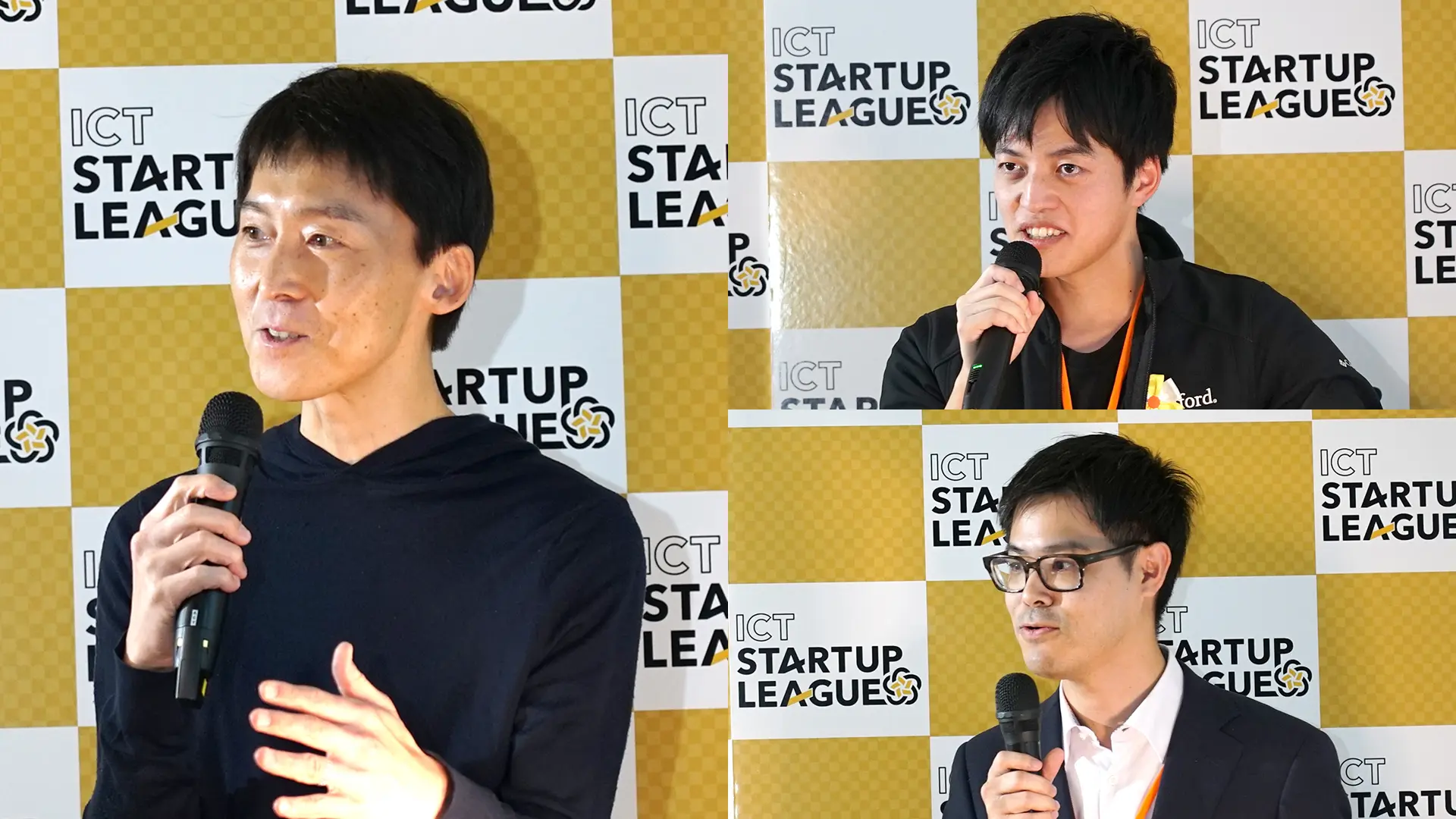
On November 4, 2026, the ICT Startup League hosted the 7th "League Academy," designed to provide multifaceted support for the business growth of selected startups. The program aims to equip entrepreneurs with practical knowledge and strategies they can apply in real-world business scenarios.
The League Academy is broadly structured into two parts. The first part featured a keynote presentation titled "From Shogi AI to BtoB Expansion: HEROZ's Survival Strategy," delivered by Tomohiro Takahashi, Representative Director of HEROZ, Inc. Following this, the second part hosted a "Value-Up Session" featuring two startups: RAYVEN Inc., which supports safe corporate AI utilization, and H&E Technology Inc., which visualizes quality and safety in childcare settings. Both companies engaged in a lively exchange of ideas with a panel of experts.
This article provides a detailed report covering the key points of survival strategies using AI from the Part 1 keynote, as well as the substantive discussions between the experts and the selected startups during the Part 2 Value-Up Session.
Part 1: Keynote "From Shogi AI to BtoB Expansion: HEROZ's Survival Strategy"
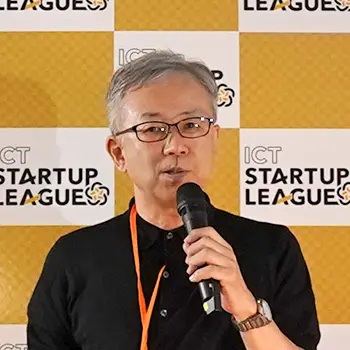
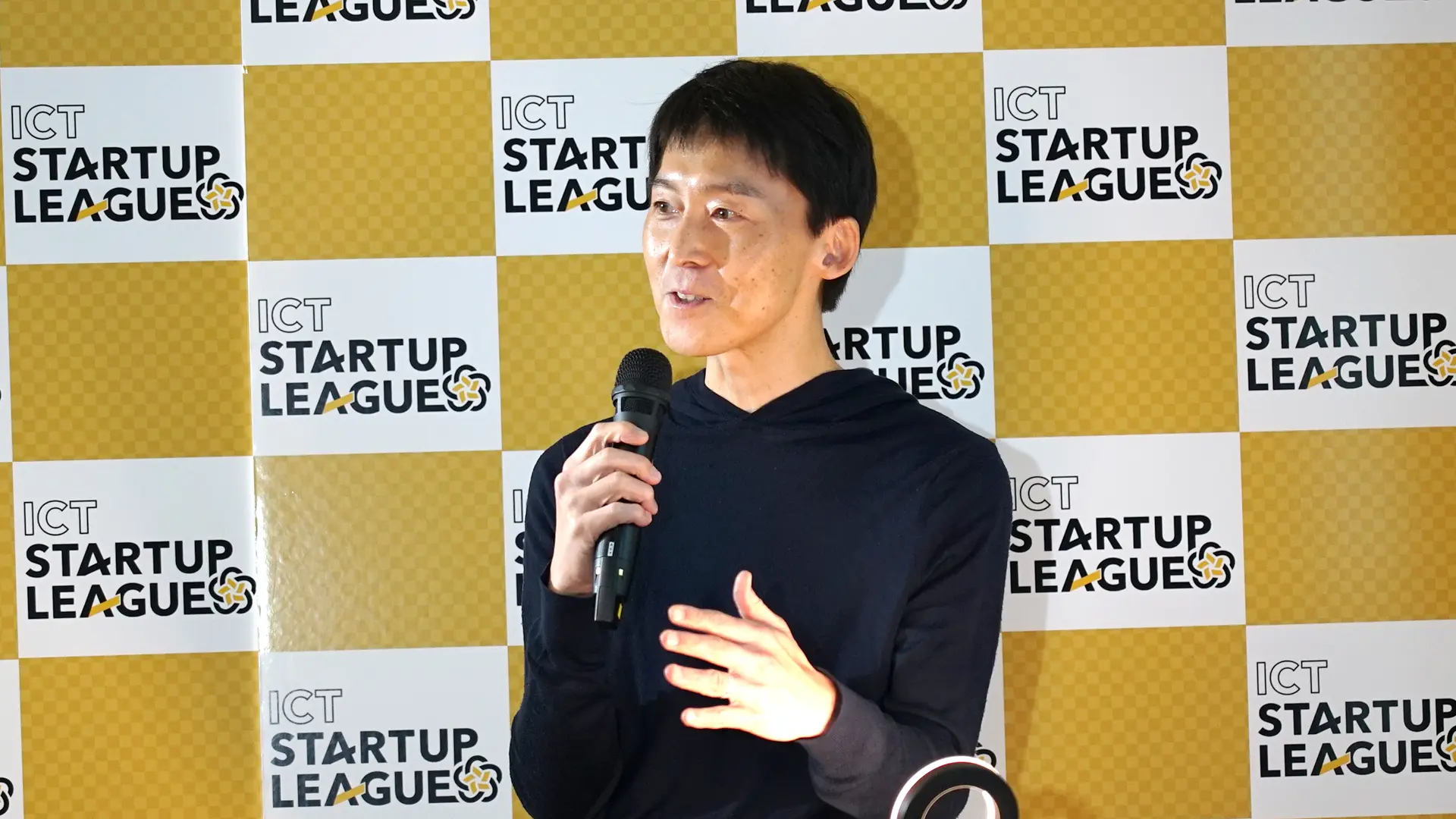 Tomohiro Takahashi, Representative Director of HEROZ, Inc.
The first half of the session kicked off with a keynote by Tomohiro Takahashi, Representative Director of HEROZ, Inc. Takahashi discussed the company's unique business strategy starting from Shogi AI and shared practical lessons learned from deploying AI into the BtoB market.
Choosing a "Domain to Be Number One" Where Core Strengths Shine
Since its founding, HEROZ has focused on AI technology, developing its business alongside top-level Shogi AI engineers. While global companies fiercely compete in AI development, HEROZ chose not to engage in a head-on battle of scale. Instead, they selected a domain—"Shogi" (Japanese chess)—where their unique strengths could be maximized to build an unshakable position. Takahashi stated that becoming the overwhelming number one in a unique domain that others cannot easily replicate is a critical strategy for consistent success.
Utilizing AI to Directly Enhance User "Enjoyment"
The company's app, "Shogi Wars
Technological Prowess Under Constraints and the Relentless Pursuit of Primary Information
Shogi apps require technology capable of delivering high performance under the strict constraint of returning the best move within seconds. This very know-how of "maximizing results under limited conditions and rules" serves as a powerful driving force for their current BtoB AI solution deployments. Furthermore, with AI technology increasingly permeating society, Takahashi emphasized the critical importance of personally visiting the frontlines to gather raw voices (primary information) to identify what value customers truly seek and applying those insights to service improvements.
[Part 1 Keynote Summary]
The Part 1 keynote highlighted HEROZ's business strategy of identifying a winning domain and building a solid position as the number one player. It also emphasized an approach that goes beyond merely pursuing technology by prioritizing customer problem-solving and "enjoyment," alongside the importance of making steady decisions based on primary, on-the-ground information. For the participating entrepreneurs, this session served as a highly practical guide for considering how to leverage their own strengths to cultivate services chosen by society.
Part 2: Value-Up Session - Business Outlook of the Featured Startups
Following the keynote, Part 2 featured the "Value-Up Session." This segment showcased two startups utilizing AI in completely different domains, who engaged in multifaceted discussions with the experts.
Supporting Corporate AI Utilization Through Access Control and Auditing with "Tumiki": RAYVEN Inc.
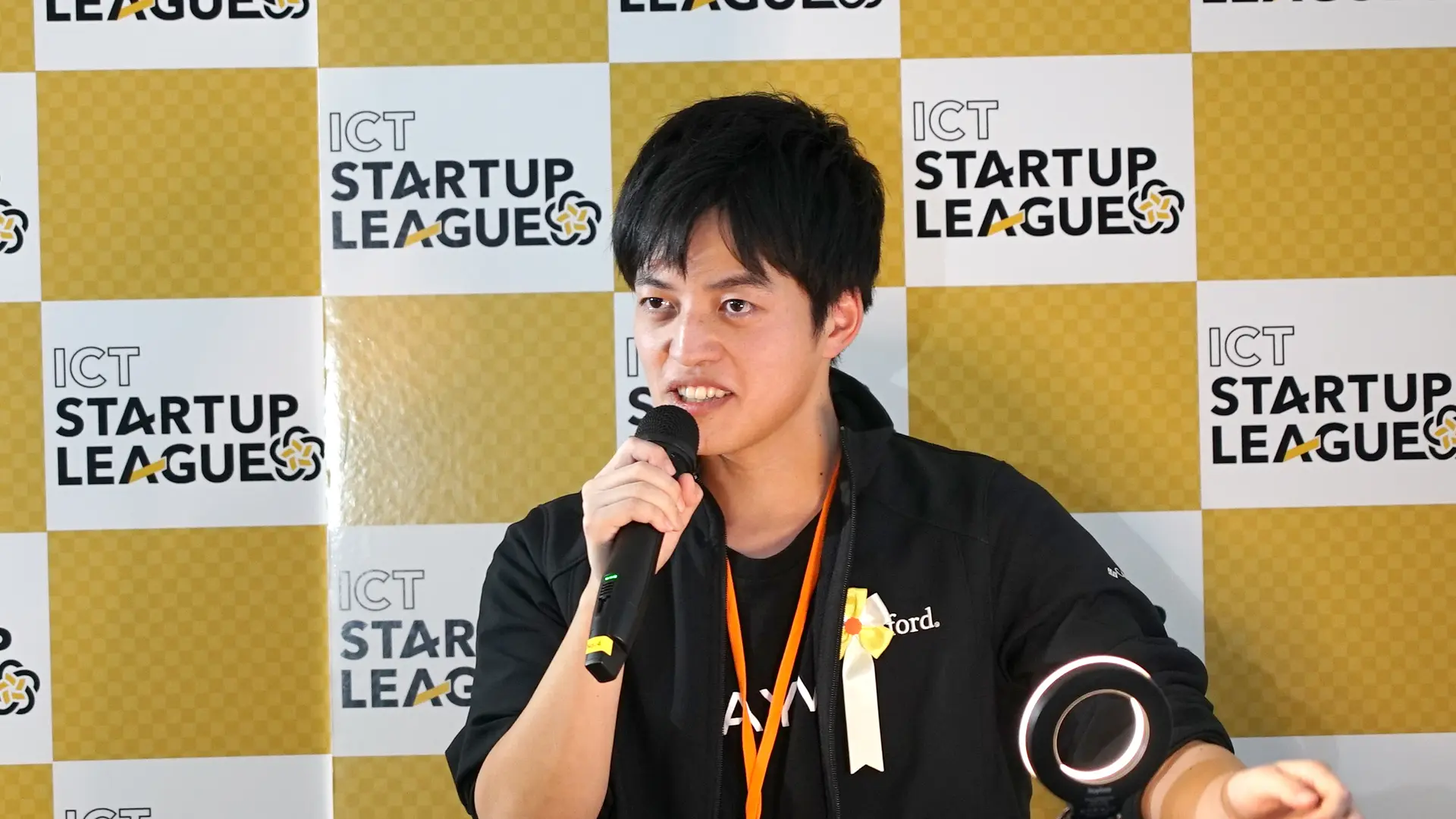 Yoshihiro Suzuyama, Representative Director / CEO of RAYVEN Inc.
Taking the stage first was Yoshihiro Suzuyama, Representative Director and CEO of RAYVEN Inc., a company providing the AI governance platform "Tumiki." The company is supported by a dedicated "caddy" with experience as a consultant and business executive.
Taking Japanese Products to the World: Background of AI Governance Product Development
RAYVEN Inc. is a startup driven by Suzuyama's passionate desire to "create Japanese products that are widely used globally." As corporate AI utilization accelerates, strict information management and governance have emerged as pressing new themes for businesses. The company is developing products that assist with proper access control and auditing to ensure companies can operate AI safely and with peace of mind.
Advanced Access Control Technology Supporting Safe AI Usage
The company's product features functions that centrally manage AI usage across various environments, such as browsers and desktops, promoting AI utilization in alignment with internal operational rules. They have already secured patents for technologies that enhance the safety of AI communications, including DLP (Data Loss Prevention) to prevent unintended information transmission and the blocking of specific prompts. According to Suzuyama, this allows companies to safely introduce AI with the same ease as existing systems, all while protecting critical corporate data.
Future Outlook for Enterprise Adoption
Recently, the company secured adoption by a firm handling systems for financial institutions, a sector known for demanding the highest standards. Suzuyama sought advice from the experts on how to navigate the lengthy lead times typical of large-scale enterprise deployments, smooth collaboration methods with IT departments that enforce strict security standards, and approaches to further elevate their company's credibility.
Interaction with Experts: Steady Trust-Building and Mid-to-Long-Term Partnership Strategies
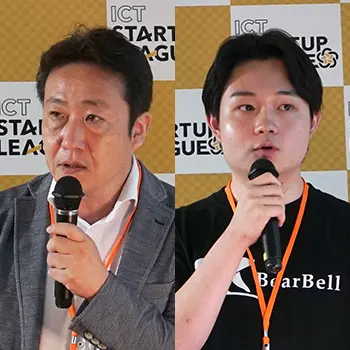
 Tomohiro Takahashi (Left: HEROZ, Inc.), Shoji Okamoto (Right: Steering Committee)
In response to the company's business plans, the experts offered constructive advice on pioneering the enterprise market.
First, regarding adoption in industries requiring high security, they shared the understanding that "careful consideration, even if it takes time, is the standard process, and approaching them thoughtfully is vital." To facilitate smoother progress, a strategy was proposed: rather than solely approaching megabanks directly, partnering with SIers (System Integrators) responsible for financial institution system development to leverage mutual strengths and expand their reach.
Furthermore, strong encouragement was given that "flawlessly succeeding in a single deployment case and steadily building deep trust from that customer" will become a massive future asset. Deepening the discussion, it was noted that a mid-to-long-term approach of initially targeting sectors more flexible with security requirements to build a solid track record and revenue base is also highly effective.
AI Services Supporting Quality and Safety in Childcare: H&E Technology Inc.
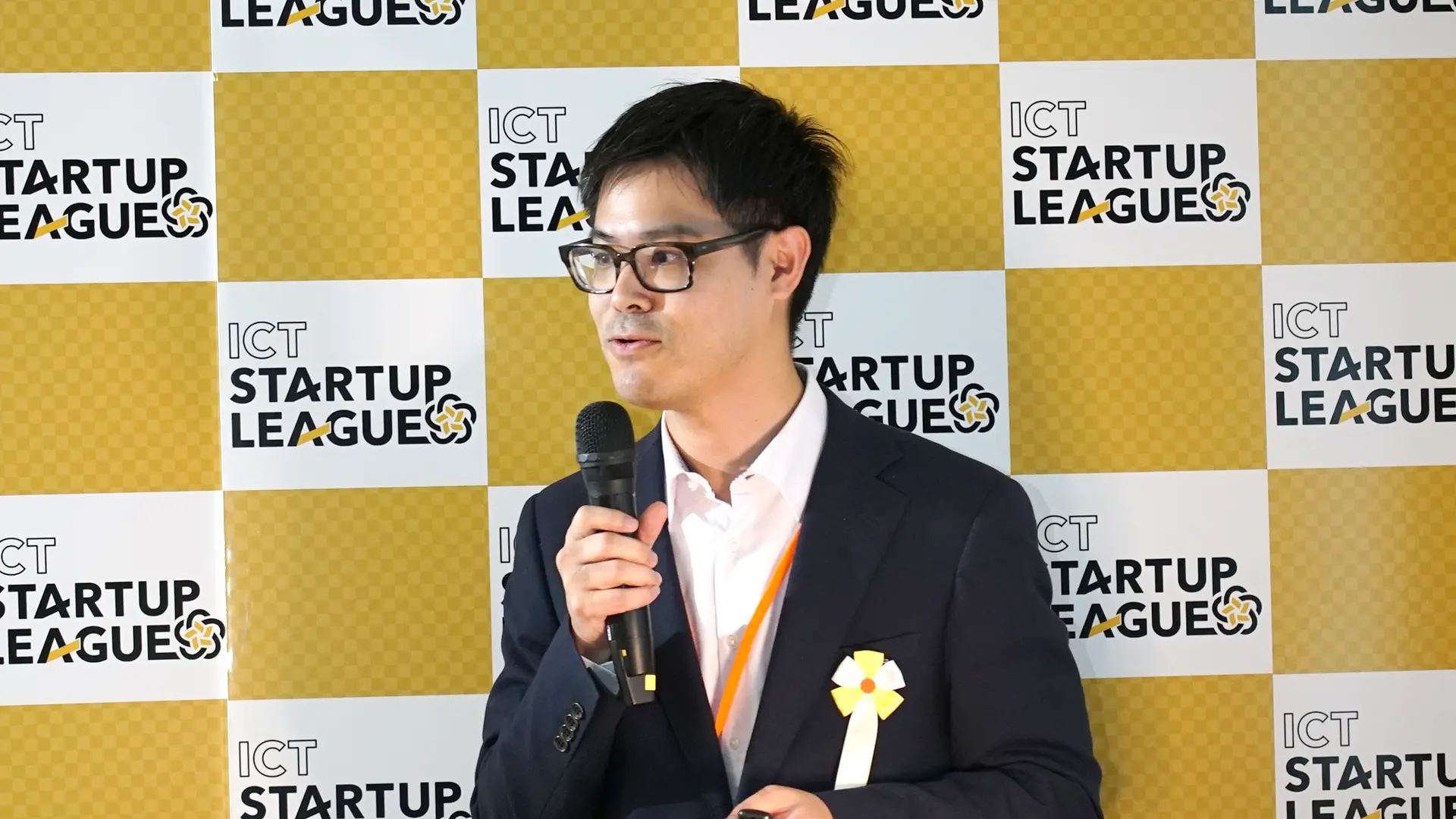 Seiji Harayama, President and Representative Director of H&E Technology Inc.
Next to the stage was Seiji Harayama, President and Representative Director of H&E Technology Inc., a company developing AI services to support quality and safety in childcare environments. The company is supported by a caddy well-versed in alliance strategies and business development.
Creating Environments for Childcare and Schools Utilizing Deep Field Knowledge
Harayama’s core strength lies in his "deep field knowledge," stemming from his long-term involvement in childcare worker training and management support for childcare providers. Because he intimately understands the unique circumstances of the childcare industry and the sentiments on the ground, he is tackling the challenge with a strong sense of mission to further enhance facility safety and build better childcare environments through technological support.
Improving Childcare Quality Through Recorder-Type Cameras and AI Analysis
In the childcare industry, recorder-type cameras are far more widespread than cloud-based alternatives out of consideration for ongoing operational costs. Adapting to this environment, the company is developing a service that uses AI to analyze camera footage, offering support for safety management and providing reflective materials to improve childcare quality. A major driving force for the company is their commitment to providing practical value, backed by continuous proof-of-concept testing conducted in collaboration with actual childcare facilities.
Seeking a Sustainable Business Model for Service Expansion
Since the childcare industry often covers initial costs through subsidies, introducing new systems requires careful budget planning. Harayama shared his outlook on sales channel and partnership strategies aimed at further service expansion from the next fiscal year onward and sought advice from the experts.
Interaction with Experts: Customer-Centric Value Design and Cross-Industry Collaboration
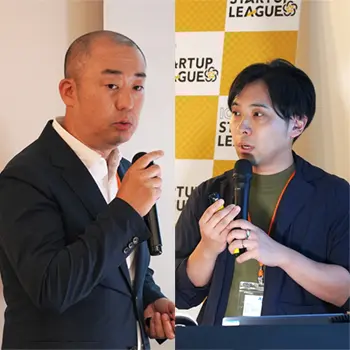
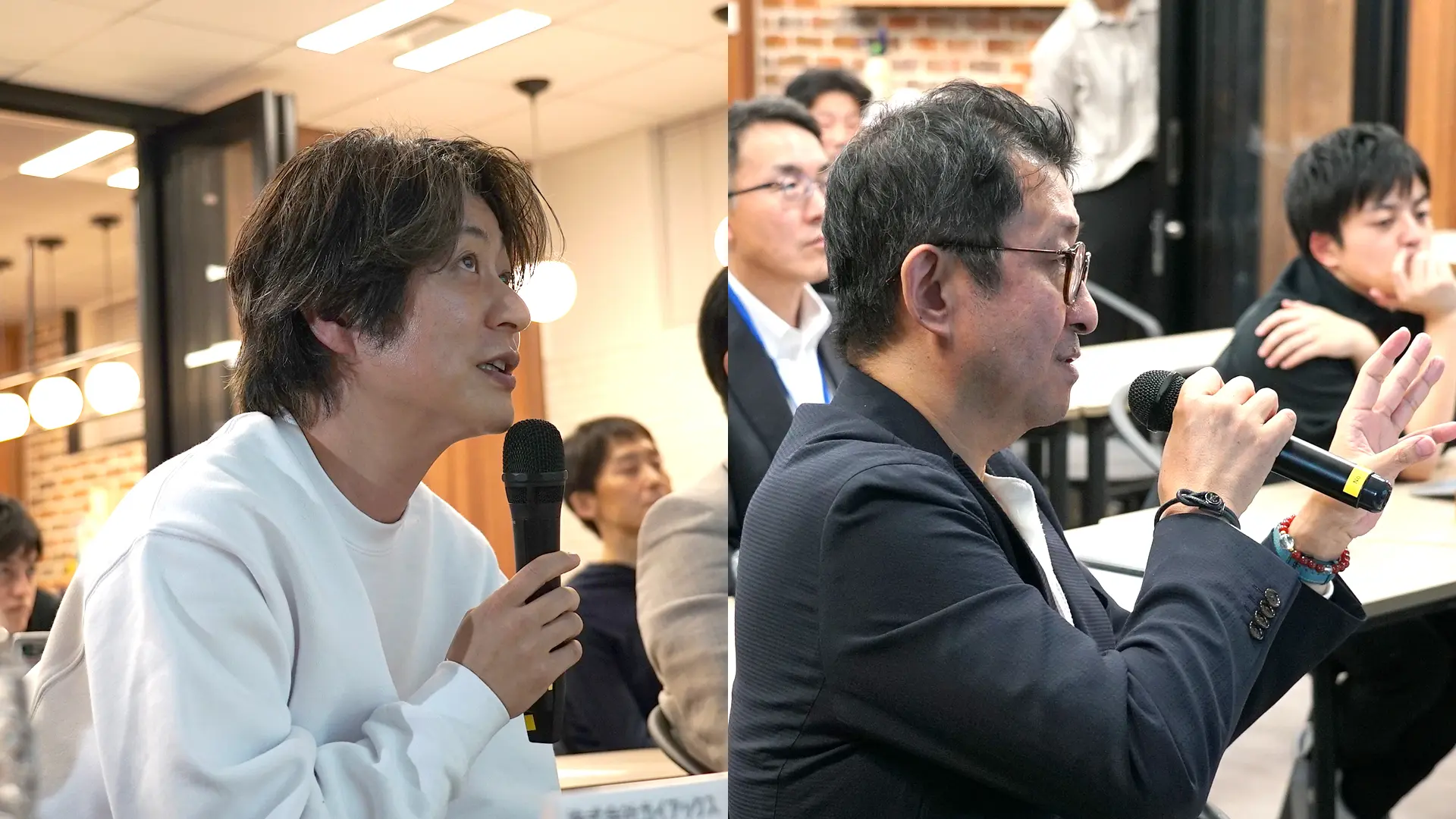 Yoshinori Sasaki (Left: Steering Committee), Jun Miyakawa (Right: Selection & Evaluation Committee)
In response to Harayama's presentation, the experts offered proposals to further elevate the service's value.
First, a customer-centric perspective was presented: "Who is truly seeking to experience higher levels of safety and peace of mind?" It was discussed that designing the service with added value not only for childcare providers but also for the "parents" entrusting their precious children, or those seeking secure environments, could help build a more sustainable and scalable business model.
Moreover, Harayama's "real-world experience and tacit knowledge from the childcare frontlines" was highly praised as the greatest unique value that a mere video analysis AI could never replicate. Regarding sales expansion partnerships, specific strategies were suggested, such as collaborating with different industries that can naturally align with the timing when childcare providers consider building new environments.
Summary: The Importance of Unique Value Creation and Business Design That Meets Counterpart Needs
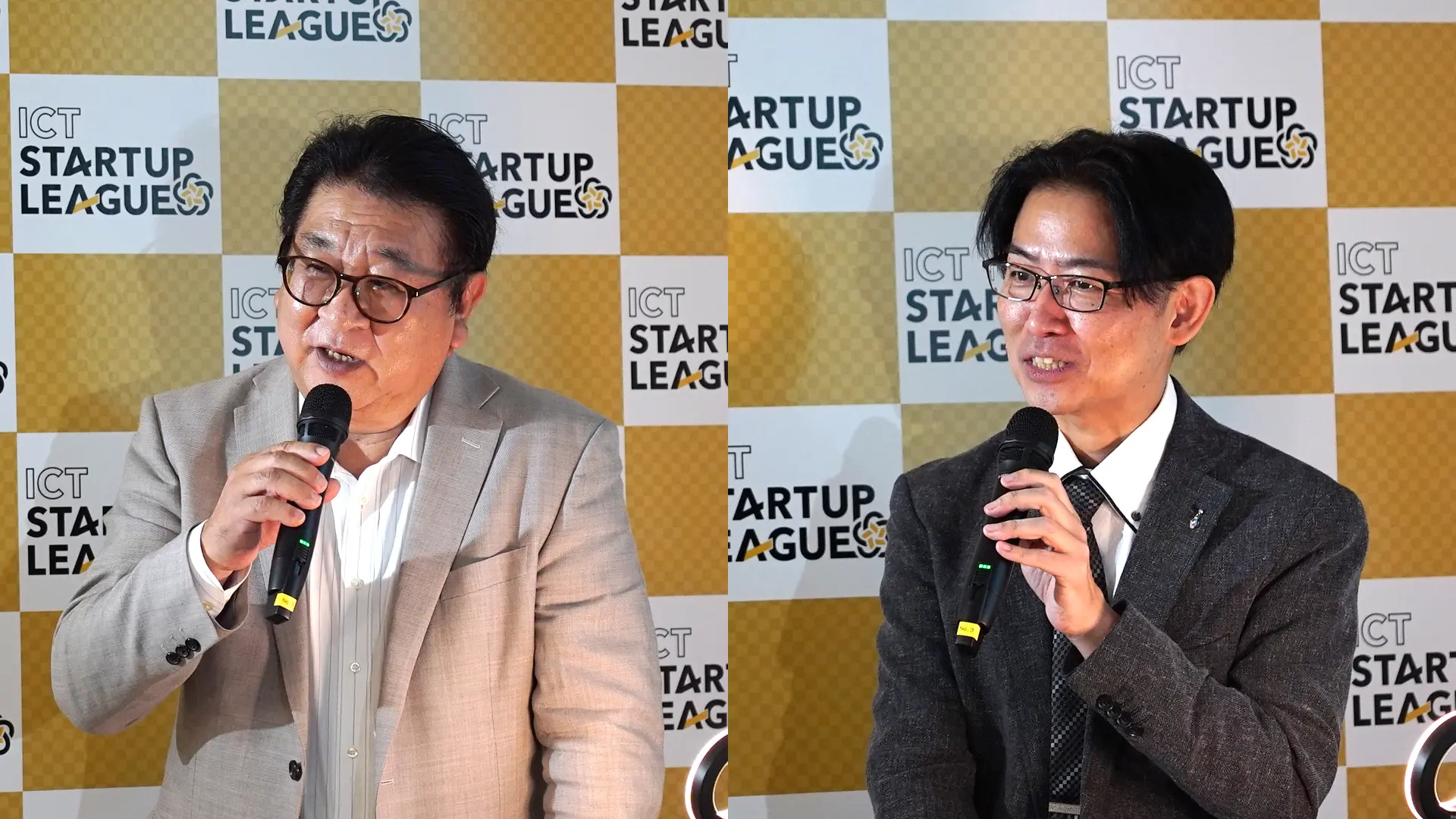 Tadashi Fukuda (Left: Head of ICT Startup League Steering Committee), Kunio Noma (Right: Ministry of Internal Affairs and Communications)
At the end of the session, concluding remarks were delivered by Tadashi Fukuda, Head of the Steering Committee, and a representative from the Ministry of Internal Affairs and Communications (MIC).
Fukuda referenced HEROZ's case of building a strong brand by becoming the overwhelming number one in the Shogi domain, stating that for startups, "steadily building one successful use case that only your company can achieve and earning trust" is more important than anything else. He conveyed the essence of business: while it takes immense time to build trust, the accumulation of each success becomes the unshakable foundation of the business.
Kunio Noma from the MIC shared the importance of constantly asking, "What will we leave behind through this business?" and "What is our company's unique, independent value?" throughout the session. He concluded that explicitly designing value from a customer-centric perspective (identifying who will pay)—so that users feel they "want to use the service even if they have to pay for it out of pocket," rather than just providing technology—will lead to immediate sales and sustainable business growth.
Between survival strategies aimed at becoming the overwhelming number one and the implementation of new technologies bringing peace of mind and safety to society. We will continue to keep a close eye on how the selected startups, fueled by practical feedback from the experts, will refine their unique value and contribute to society in the future.
■ ICT Startup League
This support program was launched in FY2023, sparked by the Ministry of Internal Affairs and Communications' "Startup Creation Sprout Research and Development Support Project."
The ICT Startup League supports startups through four main pillars:
1. R&D Funding / Hands-on Support
A maximum of 20 million yen in R&D funding is provided in the form of subsidies. For hands-on support, the Selection and Evaluation Committee members who judged the league members continue to work closely with them post-selection to accelerate their growth. For companies the committee firmly believed "must be selected," a dedicated championing system is in place, where the committee members themselves provide ongoing support, including advice on business plans and offering distinct growth opportunities.
2. Discovery & Nurturing
We provide essential opportunities for learning and networking to spur the business growth of league members.
Additionally, we aim to broaden the startup ecosystem's horizon by proactively discovering individuals aspiring to start their own businesses.
3. Competition & Co-creation
Designed as a positive competitive arena akin to a sports league, startups learn together and push each other to secure the actual funding they need (up to 20 million yen). It also serves as a co-creation space where league members can collaborate to expand their businesses through various opportunities, including exclusive sessions with the evaluation committee.
4. Broadcasting
We broadcast the initiatives of league members in collaboration with the media! By letting a wider audience know about their businesses, we aim to drastically expand opportunities for new matching and business chances.
■ Related Websites
ICT Startup League
/
RAYVEN Inc. (Official Website)
/
H&E Technology Inc. (Official Website)
Other League Reports



For more details on STARTUP LEAGUE's startup support, please see here.