 Media Produced by ASCII STARTUP
From global survival strategies to children's online safety and visualizing tacit knowledge from space development: A report on the 2nd 'League Academy' of FY2026 — 2026 2nd League Academy Report —
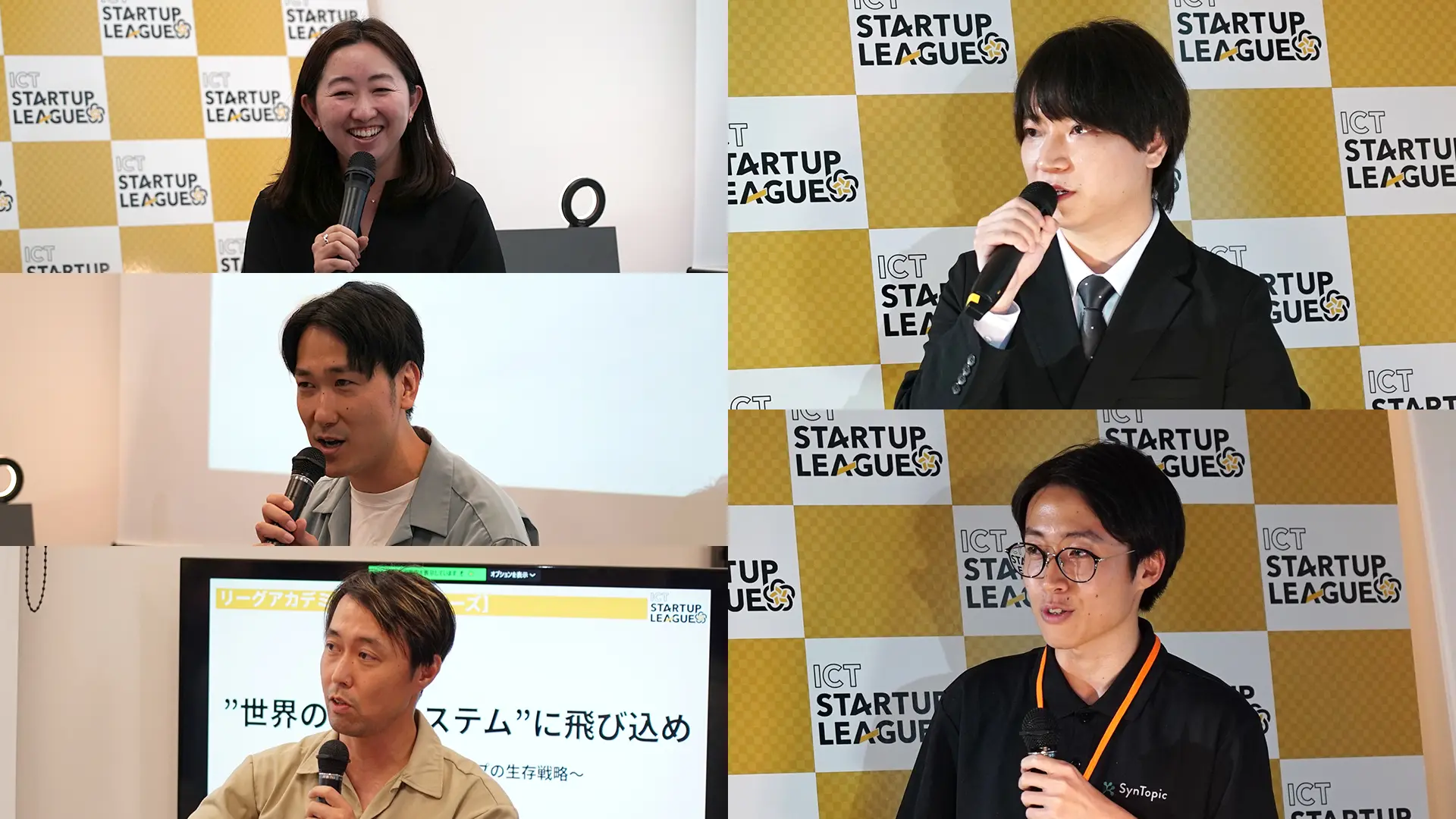
On August 21, 2026, the second "League Academy" was held as part of the 2026 ICT Startup League. It serves as a practical learning platform to strongly support the business growth of selected startups. This program aims to provide immediate, practical knowledge to address the challenges faced by startup management teams. Under the theme "Dive into the Global Ecosystem! Global Standard Survival Strategies," a panel discussion was held featuring experts well-versed in overseas expansion and ecosystem building.
Following the panel discussion, a "Value-Up Session" was held featuring two companies: Adora Inc., which develops a monitoring app to protect children and seniors from online crimes, and Syntopic Inc., which develops a tool applying space development system engineering to structure tacit business knowledge. Lively and rigorous discussions questioning the very foundations of their business models took place with the experts.
This report details the League Academy, where realistic insights on global expansion were shared, alongside the passionate Value-Up Session.
Greetings from the Director of the Startup Promotion Office, Ministry of Internal Affairs and Communications (MIC)
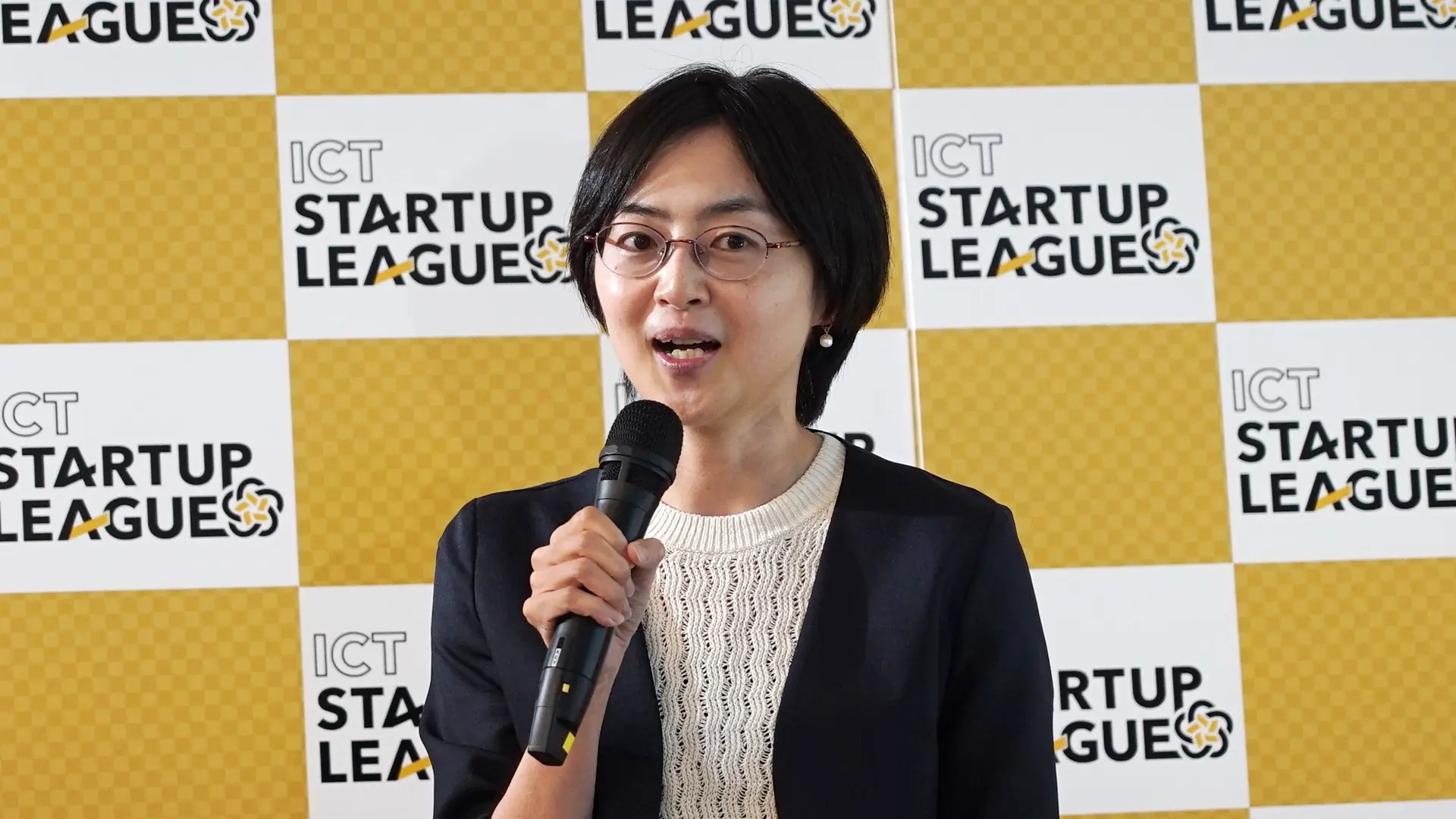 Naoko Seta, Director of the Startup Support Office, Global Strategy Bureau, Ministry of Internal Affairs and Communications
Prior to the start of the program, Director Seta of the MIC's Startup Promotion Office gave an opening address.
Her extensive career in the communications sector was introduced, including research support at NICT (National Institute of Information and Communications Technology), science and technology innovation policy at the Cabinet Office, and work at the Japan Tourism Agency. Following this, she sent strong expectations and encouragement to the selected entrepreneurs, stating, "I am very much looking forward to supporting startups in a way that broadens the base of the new ICT field. I hope this opportunity will lead to your growth and immense fulfillment."
Part 1: Panel Discussion "Dive into the Global Ecosystem! Global Standard Survival Strategies"
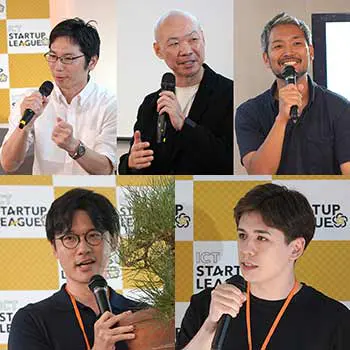
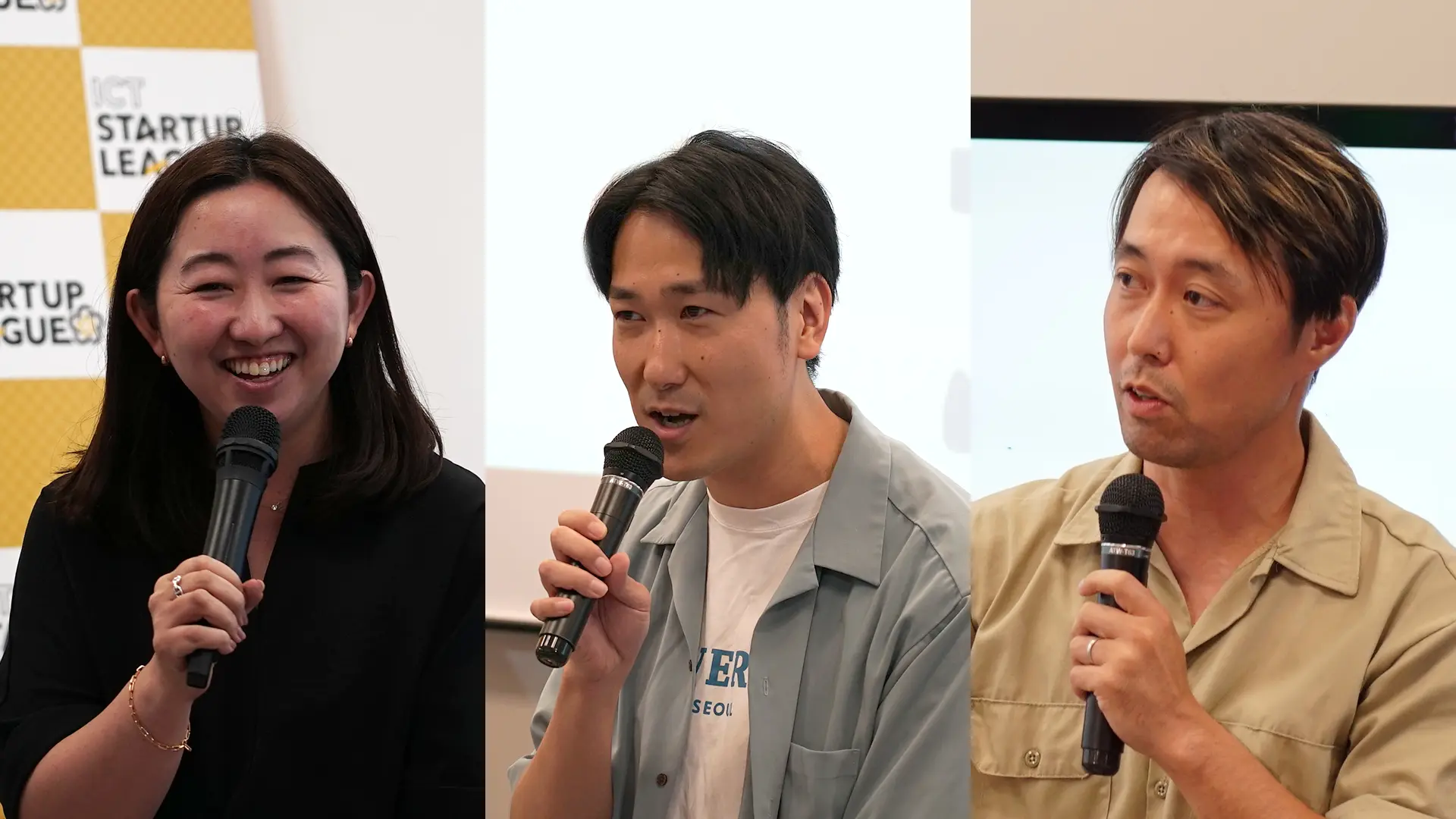 Ayumi Fujimoto (Left: Startup Ecosystem Association), Ken Kawashima (Center: 01Booster Inc.), Ryusuke Komura (Right: Venture Café Tokyo)
【Panel Discussion】 Market Selection and Ecosystem Strategies for Winning Globally
Following the Director's greeting, the 2nd League Academy's panel discussion began. Three speakers participated: Ayumi Fujimoto from the Startup Ecosystem Association, Ken Kawashima from 01Booster Inc., who is well-versed in overseas business development and venture capital, and Ryusuke Komura, who has been involved in Venture Café Tokyo since its inception. They discussed specific approaches for Japanese companies to succeed globally.
The True Purpose of Global Expansion and the Importance of "Earning Foreign Currency"
The discussion started with a fundamental question: why should startups aim for globalization? Mr. Komura pointed out Japan's population decline and shrinking domestic demand, emphasizing that "earning foreign currency" is essential for sustaining economic prosperity. He stated that businesses should possess a hungry spirit to capture foreign demand, rather than confining their business entirely to the limited domestic market.
Ms. Fujimoto agreed, warning of the "illusion that the Japanese market is still sufficiently large." Furthermore, using the analogy of risk diversification in asset management—"don't put all your eggs in one basket"—she pointed out the danger of relying solely on the single Japanese market. It was shared that, just as American startups naturally build their businesses assuming a global market despite language and cultural barriers, Japanese startups should also think with multi-national expansion as a premise from the very beginning.
How to Choose Target Markets and the Reversal of Time-Machine Management
Regarding the steps for overseas expansion, Ms. Fujimoto clearly opposed the traditional scheme of "succeeding in Japan first, then going overseas." In an era where unicorns are born at an incredibly fast pace, she argued that taking the leisurely approach of succeeding domestically before expanding abroad simply cannot keep up with global speed. She advised that since the US has different laws and cultures across its 50 states, making it difficult to treat as a "single country," it is often more effective to target markets like the EU, which share a unified system, allowing easier expansion into other member countries once entry is established in one.
Mr. Kawashima stated that even in countries with small market sizes, the "track record" of successfully expanding globally and the "assets" of locally built structures and experience will greatly benefit the next step. Mr. Komura shared his view that the South Korean startup ecosystem is several years ahead of Japan's, and noted there is much to learn from cases where Korean and Taiwanese companies leverage the high cultural translatability of the Japanese market to enter it.
Key Points of Localization and Community Building
The "balance between standardization and localization" was also discussed. Mr. Kawashima noted that for apps directly tied to business workflows, like SaaS, thorough localization is necessary because business customs and pricing models vary significantly by country. On the other hand, he pointed out that hardware and deep-tech technologies can often be brought overseas as-is for BtoB use cases without drastically changing the product's core functions.
Mr. Komura pointed out that when building cross-border communities, it is crucial not to over-rely on a "specific cultural background." Since tying it too closely to a specific culture can cause friction locally, he recommended an approach of building the community by sharing a "certain protocol," such as psychological safety.
Building a Global Structure and the Reality of Fundraising
Mr. Kawashima said that a key part of team building to ensure successful global expansion from the early stages is whether the founding members include fluent English speakers or individuals with overseas business experience. He noted that companies establishing globalization at early stages often have such talent. Furthermore, touching upon the local ecosystem's readiness to accept such approaches, he introduced practical methods like utilizing business SNS such as LinkedIn to "recruit (onboard) management talent from startups in the same industry already operating locally into your own team."
Ms. Fujimoto also offered a reality check regarding fundraising from global venture capital. She strictly pointed out that startups must discard the illusion that "networking guarantees investment" or that simply "being a Japanese startup" is valued. Because global VCs make investment decisions by comparing against top startups worldwide, companies must build competitiveness and narratives at a world-class standard.
Part 1 Panel Discussion Summary
In Part 1 of the League Academy, the importance of "earning foreign currency" and "global thinking" was clearly presented as a means for Japanese startups to overcome population decline and a shrinking domestic market to achieve sustainable growth. The necessity of looking at the global market from the start to match world speeds was emphasized, rejecting the traditional phased approach of "first domestic success, then overseas."
The session condensed practical essentials for entering powerful global ecosystems, including flexible strategies tailored to target market characteristics, establishing standard protocols independent of specific cultural backgrounds, and preparing team structures capable of competing locally.
Part 2: Value-Up Session
Following Part 1 of the League Academy, the "Value-Up Session" was held in Part 2. Two selected companies took the stage, each tackling the themes of solving social issues and streamlining operations with unique approaches.
A Monitoring App Protecting Children and Seniors from Online Crime: Adora Inc.
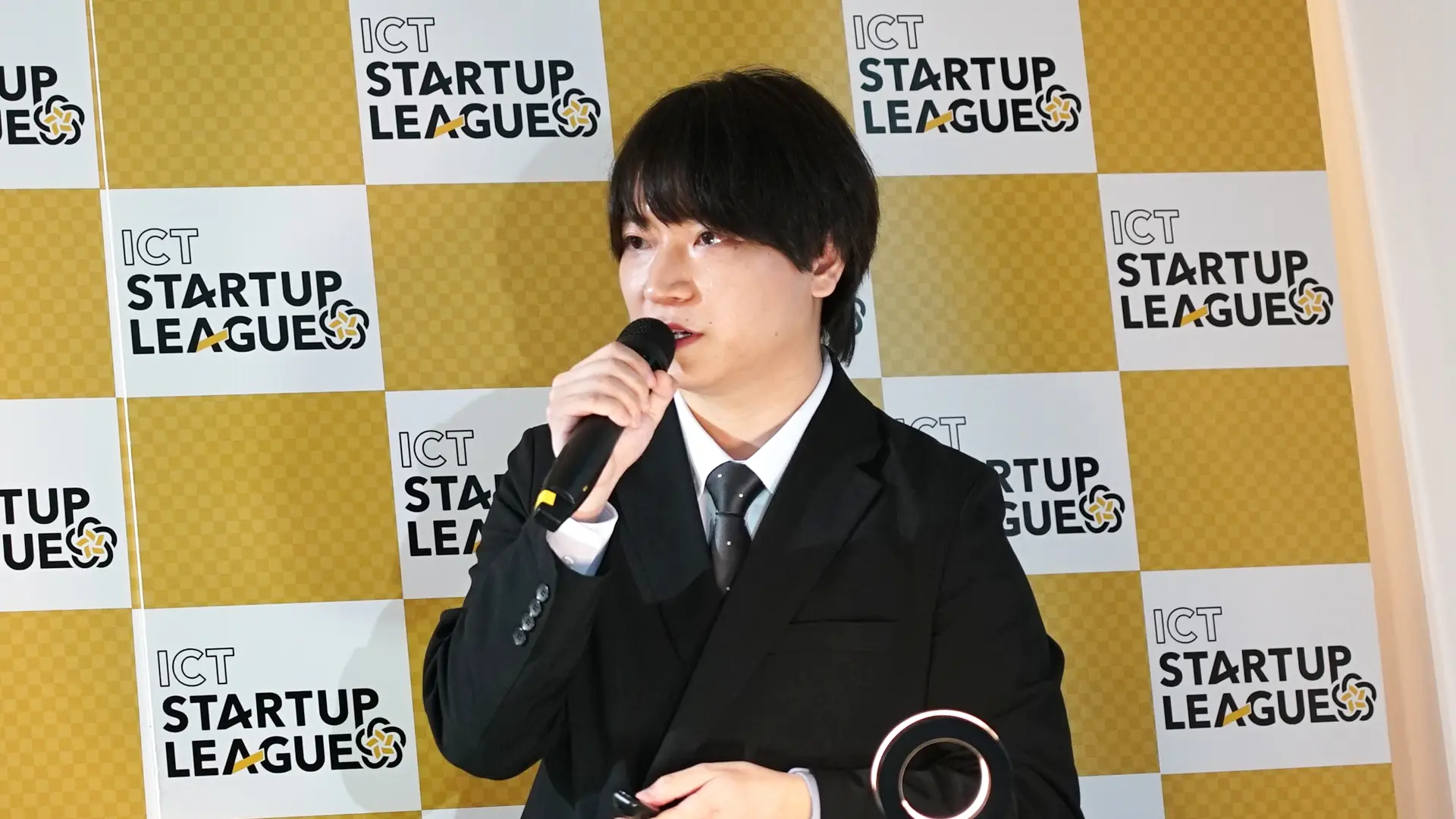 Naoto Tomita, CEO of Adora Inc.
While the excitement of the League Academy was still high, the Value-Up Session began as Part 2. The first to take the stage was Naoto Tomita of Adora Inc., which provides services to protect children and seniors from online crimes.
The Current State of Monitoring Apps Solving Social Issues
The origin of this business was when Mr. Tomita, while still in graduate school, was consulted by the Aichi Prefectural Police about "whether children could be protected from crime." Currently, bullying and criminal victimization on chat apps and SNS used by children have become serious social problems. However, he stated that children often do not consult their parents out of fear of worrying them, and by the time the problem is discovered, it is often too late.
The app provided by his company not only limits excessive smartphone use but also detects the exchange of dangerous words or images, triggering alert notifications to parents. In just a few years since its release, it has grown to be used by approximately 300,000 people, primarily in Japan. They are currently advancing expansion into Thailand, Vietnam, and Malaysia, starting with releases in South Korea, Taiwan, and Indonesia.
Furthermore, it was announced that they are developing mechanisms using the company's patent-pending technology to legally analyze communications and proactively prevent fraud damages, particularly addressing the rapidly increasing investment fraud targeting seniors via SNS (with damages estimated at about 1 billion yen per day).
Challenges and Consultation Points for Business Expansion
Mr. Tomita presented two major consultation topics for future business expansion. The first issue was how to PR their social good initiatives, get media coverage, and link this to public policy movements. He explained that as an engineering-centric organization, they currently lack know-how in PR and public relations. The second point concerned the approach to global expansion. He asked for advice on prioritizing target markets and how to collaborate with local partners when venturing into the global market.
Feedback from Experts: Sharpening Strengths and Storytelling Outcomes
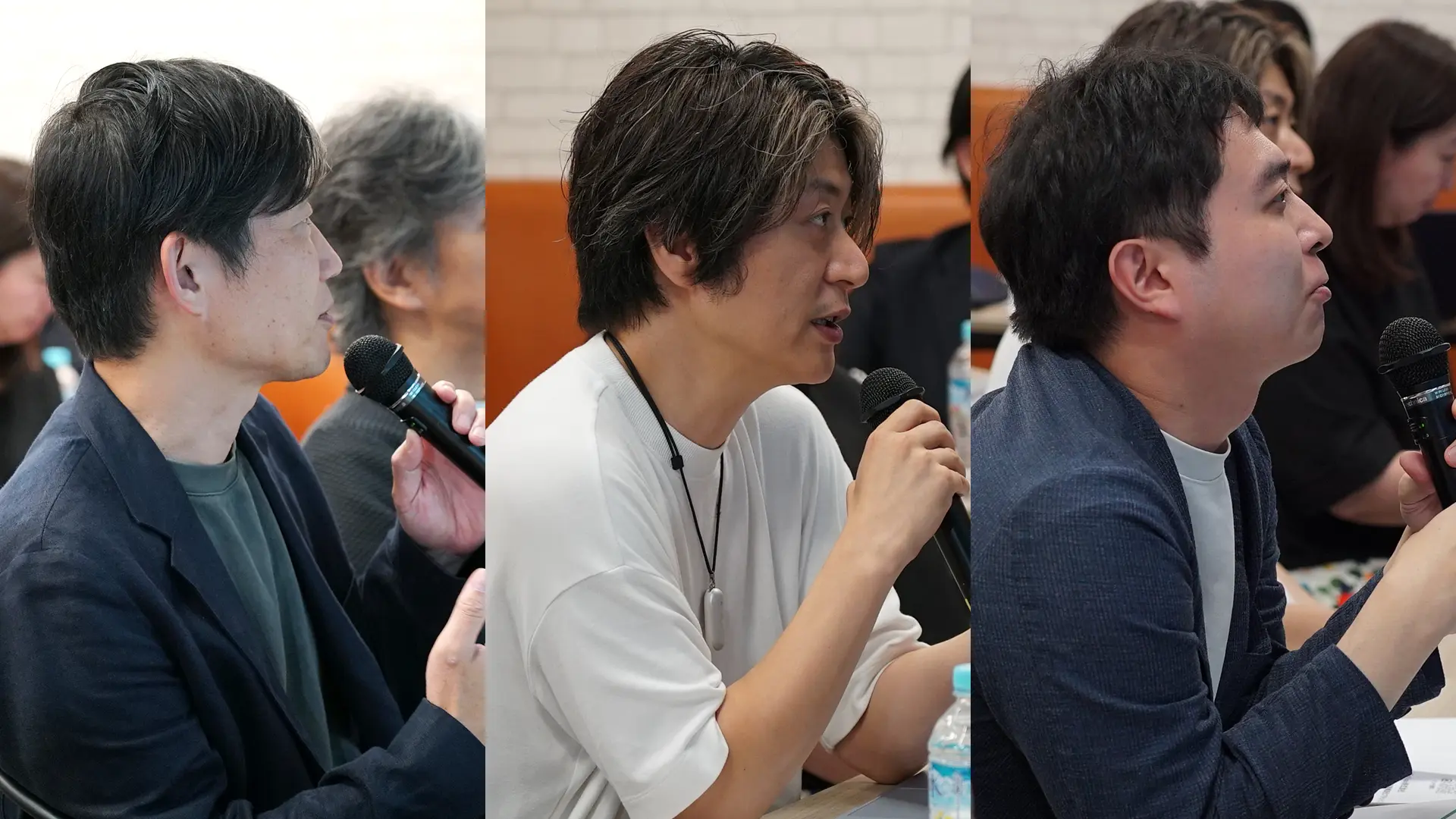 Eiji Nakagawa (Left: Selection Evaluation Committee), Yoshinori Sasaki (Center: Steering Committee), Toshihiro Suzuki (Right: Selection Evaluation Committee)
The experts provided multifaceted feedback.
First, concerns were raised that the business focus might be slightly too dispersed. It was pointed out that expanding into too many areas—from child monitoring to senior fraud prevention and even local governments—makes them look like a "we do everything company," making it hard to convey their true strengths. He was advised to narrow down their best technologies and targets, sharply focus on them, and build a narrative declaring, "We are the absolute number one in this domain."
Regarding the PR challenge, it was stated that they must not try to solve it with engineers alone, but rather bring PR professionals into the team via outsourcing or similar means. It was explained that media will not cover them simply because they are "doing good for society"; thus, it is crucial to create newsworthy pitches with experts and build media relations.
Additionally, an opinion was shared that business growth hinges on building a widely empathetic and beloved brand by broadcasting multifaceted "outcomes" as stories—such as "bullying actually decreased" or "serious harm was proactively prevented" due to the app—rather than merely introducing features or download numbers.
As an approach to the public sector, a method of approaching Boards of Education to spread the app in educational settings was proposed. However, a concrete monetization perspective was suggested: since educational budgets are limited, they should consider making money not from the app implementation itself, but through leveraging the connections and data gained from the implementation for other business revenue streams. Furthermore, the idea was shared that approaching private educational institutions, such as cram schools and prep schools, is also effective because their managers struggle with SNS troubles between instructors and students.
For global expansion, they were advised that it is logical to start with South Korea and Taiwan, which have similar cultures, customs, and social issues (such as the severity of suicide and bullying) to Japan. An approach of researching and utilizing startup attraction support systems provided by municipalities and government agencies in each country was also recommended.
Structuring Business Tacit Knowledge with Space Development Insights: SynTopic Inc.
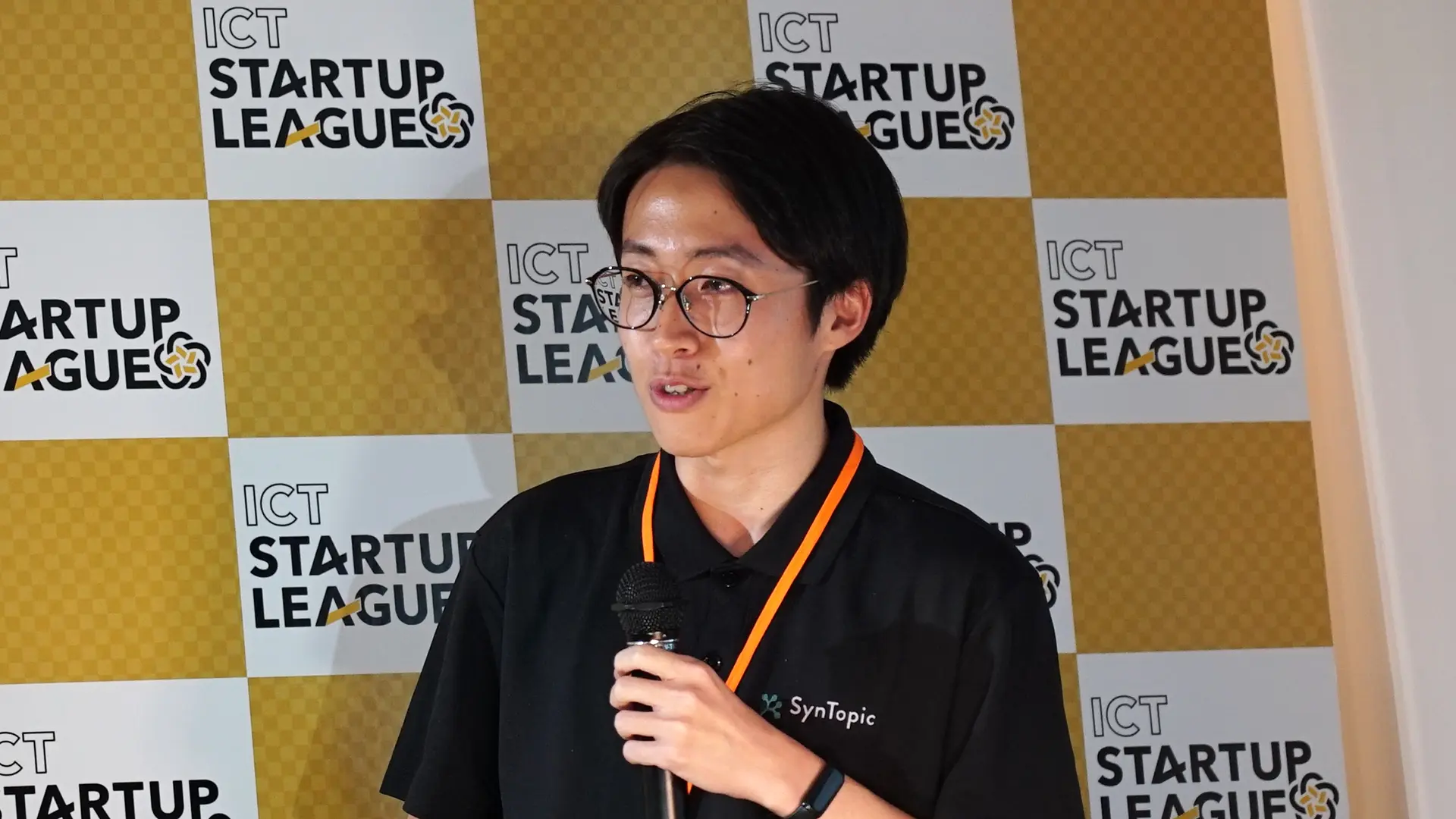 Shoichi Seto, CEO of SynTopic Inc.
Next on stage was Shoichi Seto of SynTopic Inc., established in 2025 after more than two years of R&D originating from a University of Tokyo aerospace lab that developed satellites. The company is supported by experts acting as "caddies" who have experienced numerous management decisions, from business launches and withdrawals to centralizing company-wide resources.
Company Brain: Creating a "Living Map" for Complex Projects
Mr. Seto shared his original experience during satellite development—a highly complex project with many stakeholders—where perception gaps frequently occurred, such as "nobody knows who is holding the latest ball." As time passes, personnel increase, and information accumulates, this perception gap widens and, in the worst case, triggers fatal errors that hinder project progress.
To solve this problem, the company is developing a system to deliver a "living map" to all organizations. Its greatest feature is the use of unique blocks (like Lego pieces) called "Topics." It structures, saves, and shares not only decisions but also the background, context, and evolution of discussions—"why that specification was chosen"—as a single unit of information.
Because this mechanism operates behind the scenes of chat and document tools already used in the field, its strength lies in requiring almost zero burden for frontline workers to adopt a new tool. Furthermore, it was explained that because information is maintained as structured data rather than mere text like Markdown, information does not scatter and is highly compatible when handing tasks over to AI agents in the future.
Currently, the system has been introduced in space startups and logistics companies, and is highly evaluated as a mechanism for managing complex, cross-departmental projects and directly linking past lessons to future alerts.
Consultation on Domain, Delivery, and Content for Business Expansion
Mr. Seto presented three consultation topics for future business expansion.
The first point was "Domain (market priority)." Since the tool is applicable across industries, he is debating which industry to attack first. The second point was "Delivery." He mentioned exploring expansions not only through direct sales but also by having consultants use it as a tool, or partnering with agencies as an up-sell product running behind existing tools. The third point was "Content." An idea was presented about partnering with publishers to convert the contents of specialized business books and know-how manuals into their proprietary "Topic (Lego block)" format, allowing users to immediately practice the methods on their own systems.
Feedback from Experts: Breaking Through the "Space" Niche Strength and Rights Issues
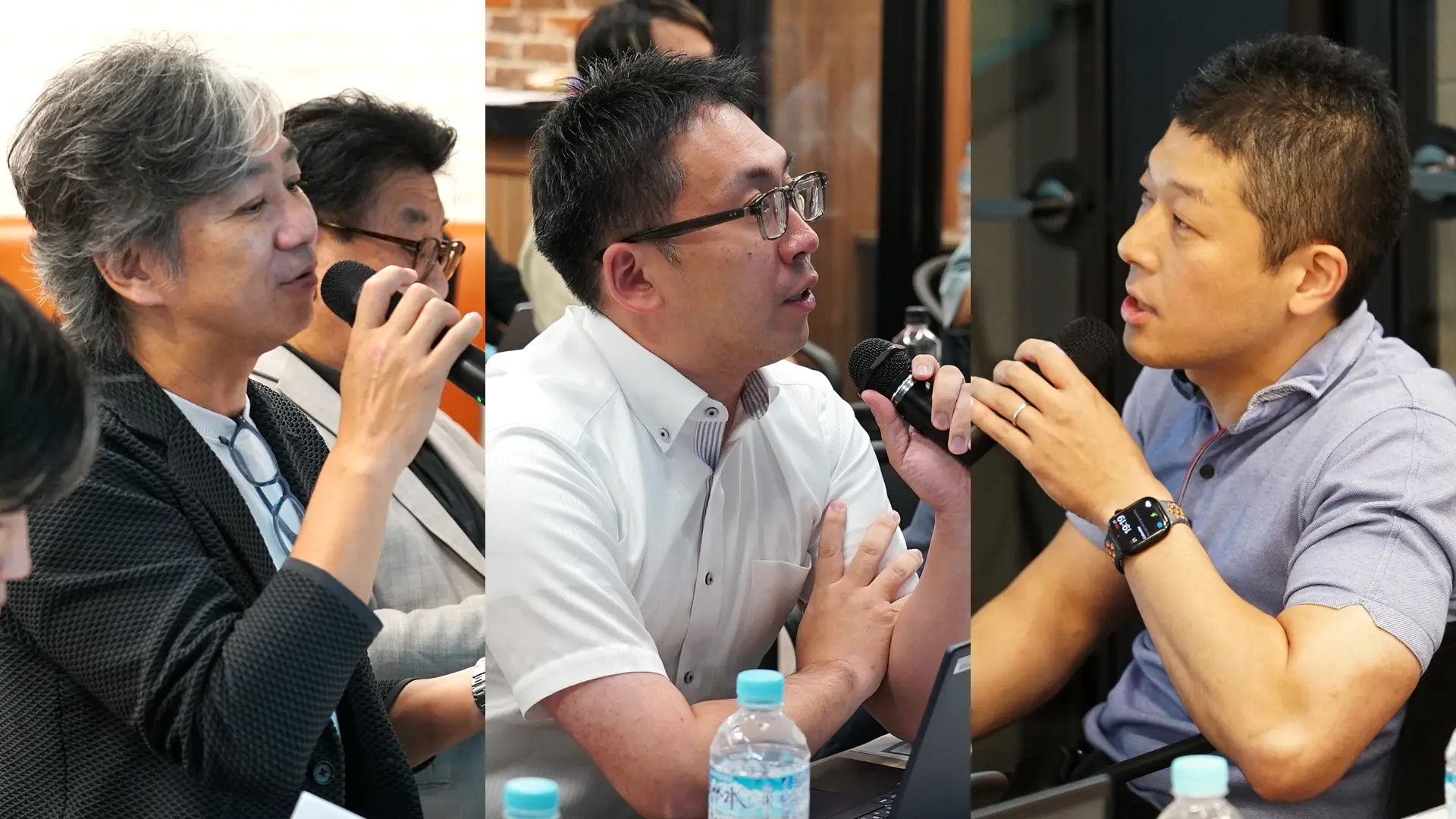 Masakazu Kakinuki (Left: Steering Committee), Hiroyuki Kobayashi (Center: Selection Evaluation Committee), Masaru Nagura (Right: Steering Committee)
The experts provided highly practical and specialized feedback.
First, regarding the idea of integrating publisher content into the system, high hurdles under copyright law were pointed out. Utilizing book contents on the system requires licensing permissions such as the right of public transmission. Moreover, the new rights issue of "whether that data can be used to train AI" has recently become a subject of debate. He was advised that since rights ownership and perspectives vary by publisher, careful contract negotiations are essential to make this viable as a business.
Next, regarding the domain consultation of "which industry to attack first," a very clear policy was indicated. He was warned that promoting versatility as a "tool usable anywhere" carries a high risk of getting buried among the countless AI and knowledge management tools in the world, leading to competition with major corporations. Therefore, he received strong advice to narrow the target down to the "space development domain"—their background area requiring overwhelming complexity and specialized knowledge—to establish an absolute number one position there. The view was that creating a success story in the extremely difficult space domain would serve as a powerful weapon, leading to overwhelming credibility when expanding into other industries.
Suggestions were also made to make consultations with experts more meaningful. It was noted that sharing the current status of the MVP (Minimum Viable Product), how many companies have been approached and their reactions, whether there are paying customers, and other concrete metrics upfront enables higher precision advice.
Regarding the application of the technology, it was recommended to sharpen the product as a continuous support approach: using the "low implementation burden" of running behind existing chat tools as its greatest weapon, and cross-referencing past failure and lesson data against ongoing projects to prevent oversights.
Conclusion: The Resolve to Change the World with Technology and Earn as a Business
 Tadashi Fukuda (Left: Chair of the ICT Startup League Steering Committee), Naoko Seta (Right: Ministry of Internal Affairs and Communications)
As the session concluded, a summary was delivered. The summary reiterated the paradigm shift that the era of Japanese companies bringing overseas business models to Japan to expand domestic demand is over, and we are now in an era where companies must strike out from Japan to the world.
An extremely fundamental message was also delivered regarding the nature of the subsidies in the ICT Startup League. It was emphasized that these subsidies are not merely to supplement marketing costs or to prolong the life of companies pleading, "Help us because we aren't making a profit." It was stressed that this is funding to support the research and development of innovative ICT technologies, and therefore, startups must put in blood, sweat, and tears to build monetization mechanisms answering "who will pay for this value."
For instance, with the children's monitoring app, it was demanded that they design a clear source of revenue—such as letting children use it for free while acquiring budgets from the national or local governments in separate domains like senior fraud prevention. It was stated that startups need the resolve to not just use the public benefit of technology as an excuse, but to achieve unprecedented things with technology, earn solidly as a business, and keep the economy moving.
Furthermore, an enthusiastic encouragement was sent to "ruthlessly utilize without hesitation" the network of experts and supporters gathered here. It concluded by noting that leveraging this ecosystem to scale businesses—not just during the program but after graduation—will accelerate innovation in Japan.
The Ministry of Internal Affairs and Communications expressed admiration for the highly passionate support environment demonstrated in the session. Strong expectations were voiced that this project would sequentially produce success stories to serve as leading models for new policies, by demonstrating clear outcomes of "how it changed society" to the Ministry of Finance and other ministries.
The monitoring app taking on social issues with a global perspective, and Company Brain applying the complex insights of space development to operational efficiency. We will continue to closely watch how both companies refine their business resolutions and scale up following the rigorous and practical feedback from the experts.
■ICT Startup League
A support program started in FY2023, triggered by the "Startup Creation Emerging Research and Development Support Project" by the Ministry of Internal Affairs and Communications.
The ICT Startup League supports startups through four pillars.
1. R&D Funding / Hands-on Support
Up to 20 million yen in R&D funding is provided in the form of a subsidy. In hands-on support, the Selection Evaluation Committee members involved in choosing the League Members continue to work closely with and promote growth after selection. For companies the committee members evaluate as "absolutely wanting to select," a "fandom-like" support system is built where the evaluators themselves continuously support by providing advice on business plans and growth opportunities.
2. Discovery and Cultivation
Provides learning and networking opportunities to foster the business growth of League Members.
It also expands its base by discovering individuals aiming to start businesses in the future.
3. Competition & Co-creation
Acting as a positive competitive arena like a sports league, startups learn together and engage in friendly rivalry to win the precise amount of funding they truly need (up to 20 million yen). It also offers a co-creation platform where League Members can collaborate to expand their businesses through various opportunities, such as sessions by the Selection Evaluation Committee.
4. Dissemination
We broadcast the initiatives of League Members in cooperation with the media! By making the businesses known to many people, it aims to broaden the scope of new matchings and opportunities.
■Related Websites
ICT Startup League
/
Adora Inc. (Official Site)
/
Adora Inc. (LEAGUE MEMBER)
Other League Reports
For more details on STARTUP LEAGUE's startup support, please see here.