 Media Produced by ASCII STARTUP
From the science of startups in the AI era to metamaterial radio wave countermeasures and agricultural pest prediction AI: A report on the 3rd 'League Academy' of FY2026 — 2026 3rd League Academy Report —
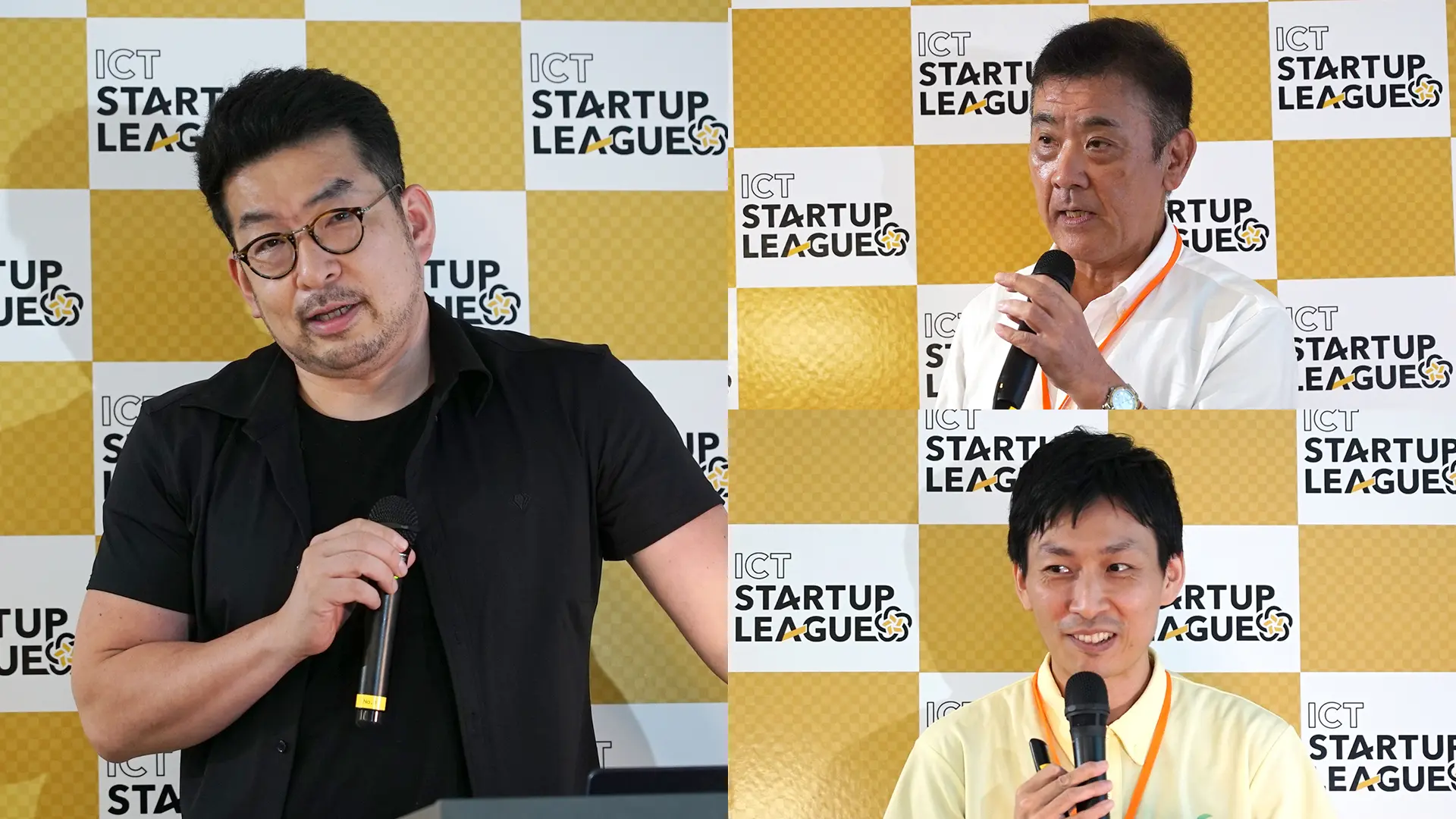
On September 2, 2026, the 3rd "League Academy" was held as part of the ICT Startup League, serving as a practical learning platform to strongly support the business growth of selected startups. This program aims to provide immediate, practical knowledge to address the challenges faced by startup management teams.
The League Academy consists of two main parts. Part 1 featured a lecture on the theme of "Winning Strategies for Companies in the AI Era" by Masayuki Tadokoro of Unicorn Farm Inc., who has supported numerous startups. Following this, Part 2, the "Value-Up Session," featured two companies taking the stage: Eiko Techno Co., Ltd., which improves indoor radio wave environments with specialized technology, and Mirai Scien Inc., which deploys an AI app to predict agricultural pest outbreaks.
This report details the key points of the survival strategies in the AI era from the Part 1 lecture, as well as the passionate exchanges between experts and the selected startups during the Part 2 Value-Up Session.
Part 1: Lecture "MOAT Strategies and the Science of Startups in the AI Era"
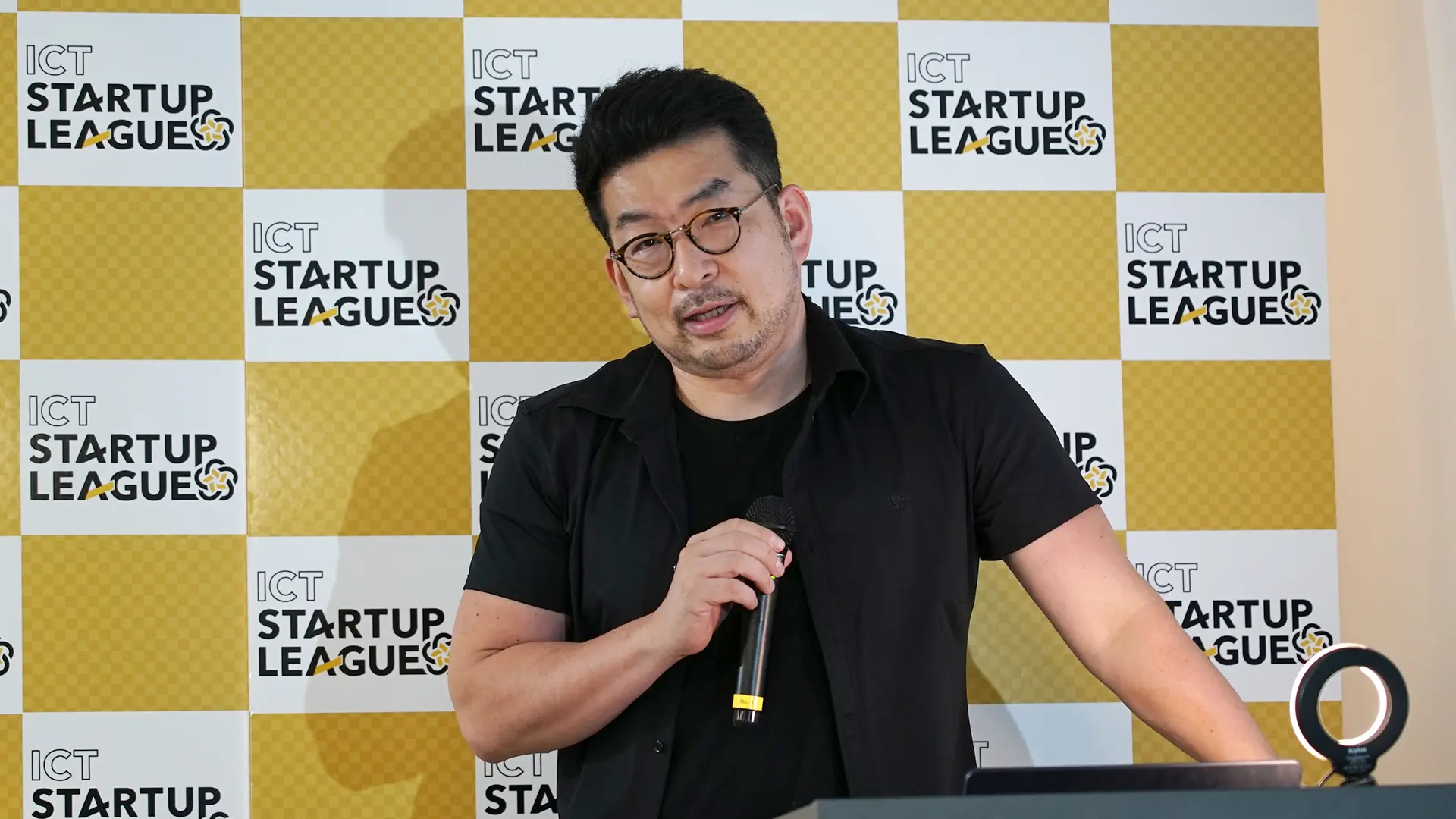 Masayuki Tadokoro (Representative Director & CEO, Unicorn Farm Inc.)
The first half of the session began as the lecture for the 3rd League Academy. Masayuki Tadokoro, Representative Director and CEO of Unicorn Farm Inc., took the stage for this session. Mr. Tadokoro spoke passionately about how the way startups compete has drastically changed due to the evolution of AI, and how to build a "MOAT" (barriers to entry/competitive advantage), which is becoming increasingly important precisely because it is the AI era.
The Reduction in "Production Costs" Brought About by AI
Mr. Tadokoro first explained the fundamental difference between the impact of the spread of the internet and the advent of AI on business. While the emergence of the internet and smartphones lowered people's "communication costs" to the limit, the current evolution of generative AI is dramatically lowering "production (creation and development) costs."
In the past, startups needed to draw a "J-curve" (a model where time and money are spent upfront and recovered later), raising tens of millions of yen in seed funding and hiring engineers just to build their first product (MVP). However, today, by leveraging AI tools, individuals or very small teams can quickly reach PMF (Product-Market Fit) drawing a "μ (mu) curve" without significant funding or full-time members. He pointed out that the hurdle for starting a business has dropped dramatically, noting an increase in "solopreneurs" (solo entrepreneurs) who grow their MRR (Monthly Recurring Revenue) without increasing their FTE (Full-Time Employees).
The 4 Elements Serving as the "Four Corners of Othello" to Build Competitive Advantage (MOAT)
As a result of anyone being able to easily build a product, it has become difficult to build a competitive advantage (MOAT) simply by providing AI tools. Mr. Tadokoro stated that surviving the AI era requires a strategy akin to securing the "four corners in Othello," and listed the following four elements.
1. Domain Knowledge (Tacit Knowledge from the Field and User Insights)
Public information searchable on the internet or knowledge bases verbalized as corporate manuals have already been learned by AI and do not serve as differentiating factors. The winning strategy lies in acquiring "tacit knowledge from the field" that is not available online and converting it into data. As a concrete example, Mr. Tadokoro mentioned "Crassone," a platform for demolition contractors. Information such as which contractor has what heavy machinery and what kind of sites they excel at does not exist on the internet. The company built an overwhelming competitive advantage by diving deep into the field and digitizing the strengths and weaknesses of these contractors. He also introduced cases like "Find," which handles lost-and-found management for commercial facilities via BPO to digitize the data, and "HappyRobot," a rapidly growing US AI startup that meticulously maps unstructured data in logistics environments.
2. Business Development / AI Utilization PdM
It is essential not only to gather tacit knowledge from the field but also to possess the "business development capability (PdM)" to combine it with AI, commercialize it, and integrate it into a product.
3. Level of Interest in the Domain (Existential Interest / Sense of Ownership)
In an era where technological advantages are quickly imitated, the entrepreneur's own "existential interest (self-identity)"—answering "why must I be the one to solve this problem?"—becomes crucial. Just as Elon Musk invested his personal wealth to launch SpaceX and Tesla, achieving success despite facing bankruptcy multiple times, the deciding factor is whether the founder possesses an intense sense of the problem and can burn with a tenacious obsession to solve it as their own issue.
4. Network Effects
A fundamental business principle that remains unchanged regardless of how much AI evolves is the "network effect." The challenge lies in how to build a mechanism where the value of the service increases as the number of participants grows.
The Unchanging Majesty of "Network Effects" Even in the AI Era
Finally, Mr. Tadokoro delved deeper into these "network effects." Citing Facebook's early strategy, he introduced how they maximized network effects not by aiming for a nationwide rollout from the start, but by first winning a "local battle" to secure an overwhelming share (over 75%) in specific communities like Harvard University and the Ivy League, and then spinning the flywheel to expand to other universities.
He also discussed the importance of the critical point (tipping point) where liquidity is generated in a matching business. He pointed out that the key to scaling is how to solve the initial chicken-and-egg problem and create a state where network effects begin to operate autonomously.
【Part 1 Lecture Summary】
The Part 1 lecture presented strategies on how startups should build competitive advantages (MOATs) amid the "democratization of entrepreneurship" driven by dramatic reductions in development costs through AI. Precisely because we are in an era where anyone can easily create a product, elements such as the gritty approach of manually acquiring unwritten "tacit knowledge" from the field, business development capabilities leveraging AI, the entrepreneur's intense sense of ownership, and the construction of network effects are indispensable. It was a highly practical compass session for the participating entrepreneurs to reexamine their own business strategies.
Part 2: Value-Up Session - Business Prospects and Feedback for the Presenting Startups
Following the lecture in Part 1, the "Value-Up Session" was held in Part 2. In this session, two selected companies tackling social issues through entirely different approaches—hardware and AI software—took the stage and engaged in passionate discussions with the experts.
A Startup Improving Indoor Radio Wave Environments with Metamaterials: Eiko Techno Co., Ltd.
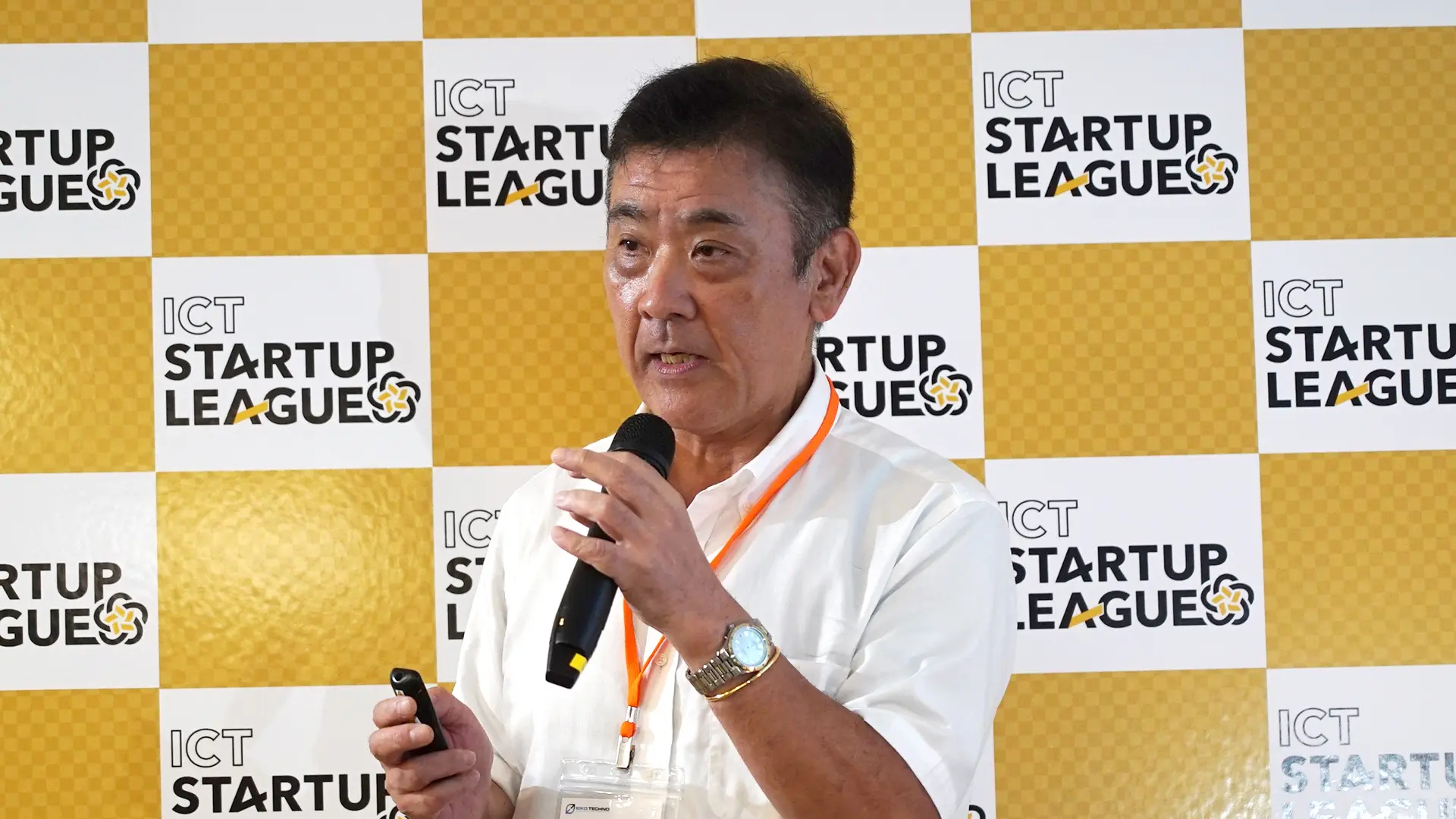 Masaaki Yasukawa, Representative Director, Eiko Techno Co., Ltd.
The first to present was Mr. Yasukawa from Eiko Techno Co., Ltd., a company developing products that use dielectrics and optical technology to improve indoor radio wave environments. The company is supported by experts highly skilled in business strategy and partnership building acting as "caddies."
The Challenge of Eco-Homes Blocking Radio Waves and Their Impact on Communication Infrastructure
Mr. Yasukawa pointed out that while highly insulated energy-saving homes are spreading due to government subsidies and other factors, a new social problem is emerging: the insulation materials and Low-E glass used block radio waves like 5G, cutting off indoor communications. Currently, highly insulated building materials are used in 80 to 90% of new homes and many renovations, creating a situation where "insulation equals radio wave isolation." This poses a risk that 5G cannot be used indoors during disasters like typhoons or earthquakes, preventing people from making emergency calls to 110 or 119.
Until now, improving indoor communication environments required the installation of expensive repeaters, drilling holes in walls, and securing power supplies. For telecommunication carriers, adding base stations to eliminate dead zones incurs massive costs and increased power consumption, while building material manufacturers face the new challenge of developing "radio wave-friendly building materials without compromising insulation."
"NamiGate": Just Stick It on a Window, and the Results of Various Proof of Concepts (POC)
The "NamiGate" technology developed by the company is a revolutionary product that creates a virtual pathway for radio waves as if the window glass did not exist, simply by attaching dielectric components based on optical technology to the glass with double-sided tape. It requires no power supply and can be installed retroactively at a low cost.
During the presentation, the results of several small-scale Proof of Concepts (POCs) were introduced. In a 5G communication test with Ehime CATV, they confirmed that even in an environment where closing the window made it hard for radio waves to enter, installing NamiGate restored signal strength and communication speeds. Additionally, in a test of an automotive millimeter-wave sensor aimed at preventing children from being left behind in kindergarten buses, applying NamiGate technology behind the panel hiding the sensor allowed it to accurately detect even the faint breathing movements of a small doll 2 meters away.
Expanding Market Potential and Barriers in Fundraising and Sales Strategies
This technology harbors broad application potential, not only for telecommunications but also for covers of millimeter-wave sensors to prevent children from being left in vehicles, and preventing radio wave reflection on the back glass of smartphones. In particular, by attaching NamiGate as an accessory, there is potential to eliminate the radio wave reflection loss caused by the tempered glass used on the back of smartphones to zero, aiming for sales on the scale of 10 billion yen in the future.
Mr. Yasukawa sought consultation on concrete strategies for scaling the business, such as looking ahead to a large-scale seed funding round, how to clearly convey the value of this innovative technology to investors, structures for promoting large-scale POCs, and selecting the optimal target market. Furthermore, he shared challenges regarding sales strategies, such as whether to approach telecommunication carriers or building material manufacturers first, expanding overseas to North America and Europe where insulation standards are strict, and how to enlighten the general public who have low awareness of radio wave dead zones. He also called for the provision of new POC opportunities in convenience stores where electronic payments are mandatory, hotels where business environments are scrutinized, and multi-family residential buildings with high needs for improved communication environments.
Exchanges with Experts: Deep Diving into Use Cases and the "Rocket Start" Strategy
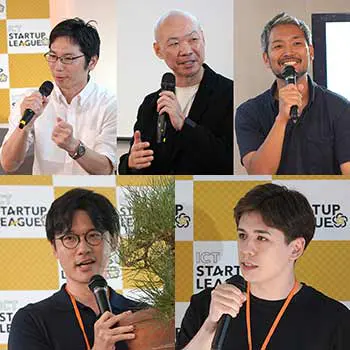
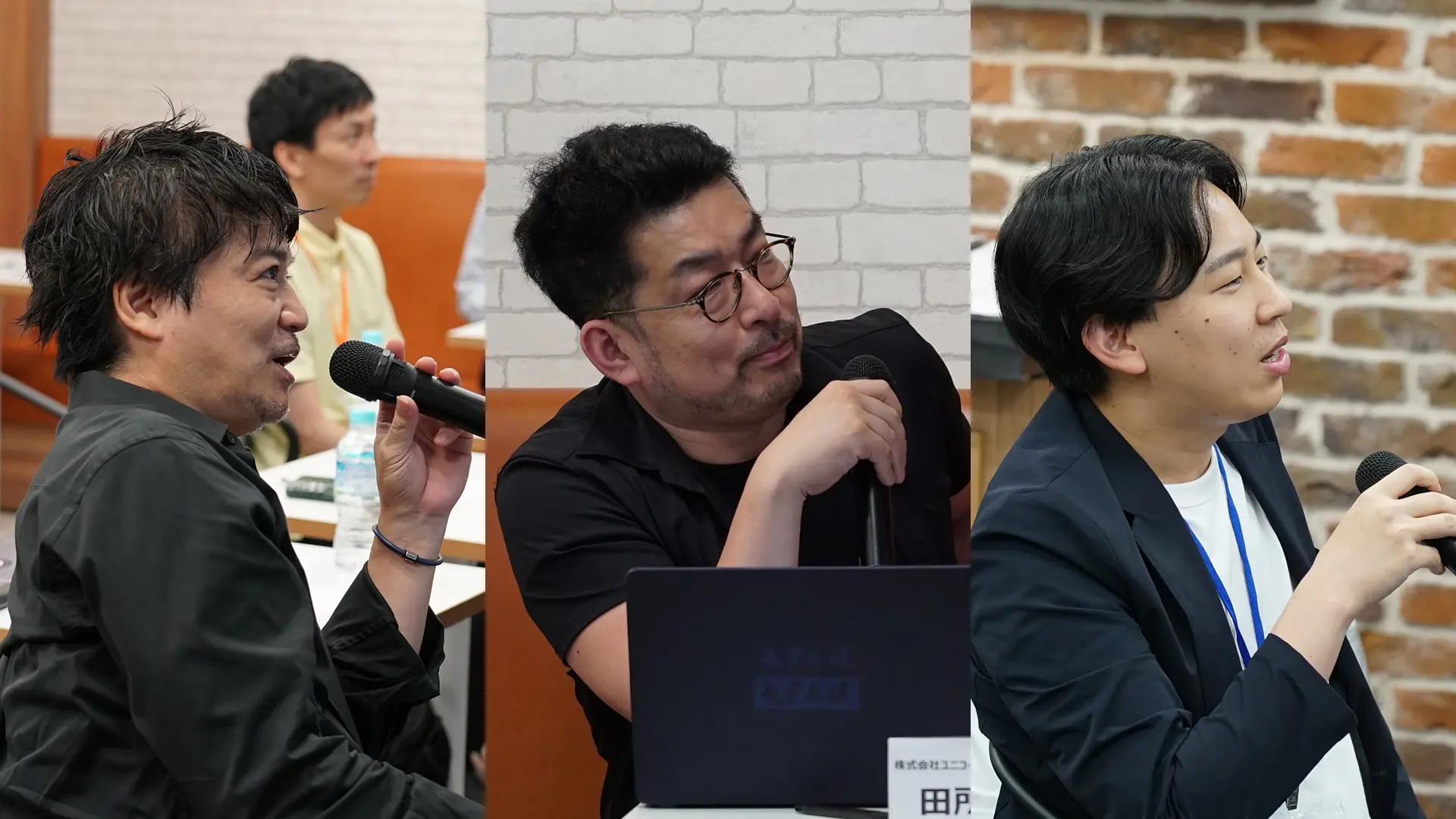 Hideharu Taira (Left: Selection Evaluation Committee), Masayuki Tadokoro (Center: Unicorn Farm Inc.), Tomohiro Kamii (Right: Support Organization, Okumura Corporation)
In response to the presentation, the experts praised the uniqueness of the technology and provided numerous concrete pieces of advice for business expansion.
Regarding the consultation on fundraising, one expert asked about the image of valuation (corporate value assessment) in the seed round. While Mr. Yasukawa discussed his outlook for future procurement, the expert suggested that "the key to funding will be logically explaining the grounds for increased corporate value to investors by firmly demonstrating achievements such as partner cultivation, keeping in mind the significant value-up from the previous round to the present."
On target selection, opinions were expressed that use cases in commercial facilities like hotels and convenience stores should be explored deeper. Since poor communication environments in hotels catering to business professionals directly lead to fatal service degradation, he was urged to clearly demonstrate the ROI (Return on Investment) regarding how much cost reduction and customer satisfaction improvement could be achieved by fixing it.
In opening up sales channels, considering the hurdles of changing manufacturing processes or introducing new specifications at building material manufacturers, advice was given that an approach of partnering with "the selling/installing side (home electronics retailers, home centers, remodeling contractors, etc.)" first would also be effective.
Furthermore, as a strategy to make the market aware of the technology's utility, a "rocket start" approach was proposed: instead of just spending time on expensive B2B negotiations, create affordable trial kits for around 10,000 yen and sell them directly to general users to spread awareness from the bottom up. This is a dynamic strategy where users experience the effects themselves and begin demanding, "Why don't they have this in hotels when I have it at home?" thereby pushing major companies to adopt it. Additionally, a support organization from the construction industry present at the venue shared research cases on translucent concrete, functioning as a practical matching platform by presenting possibilities for collaboration in new materials research.
An AI Doctor App Predicting Agricultural Pest Outbreaks "TENRYO": Mirai Scien Inc.
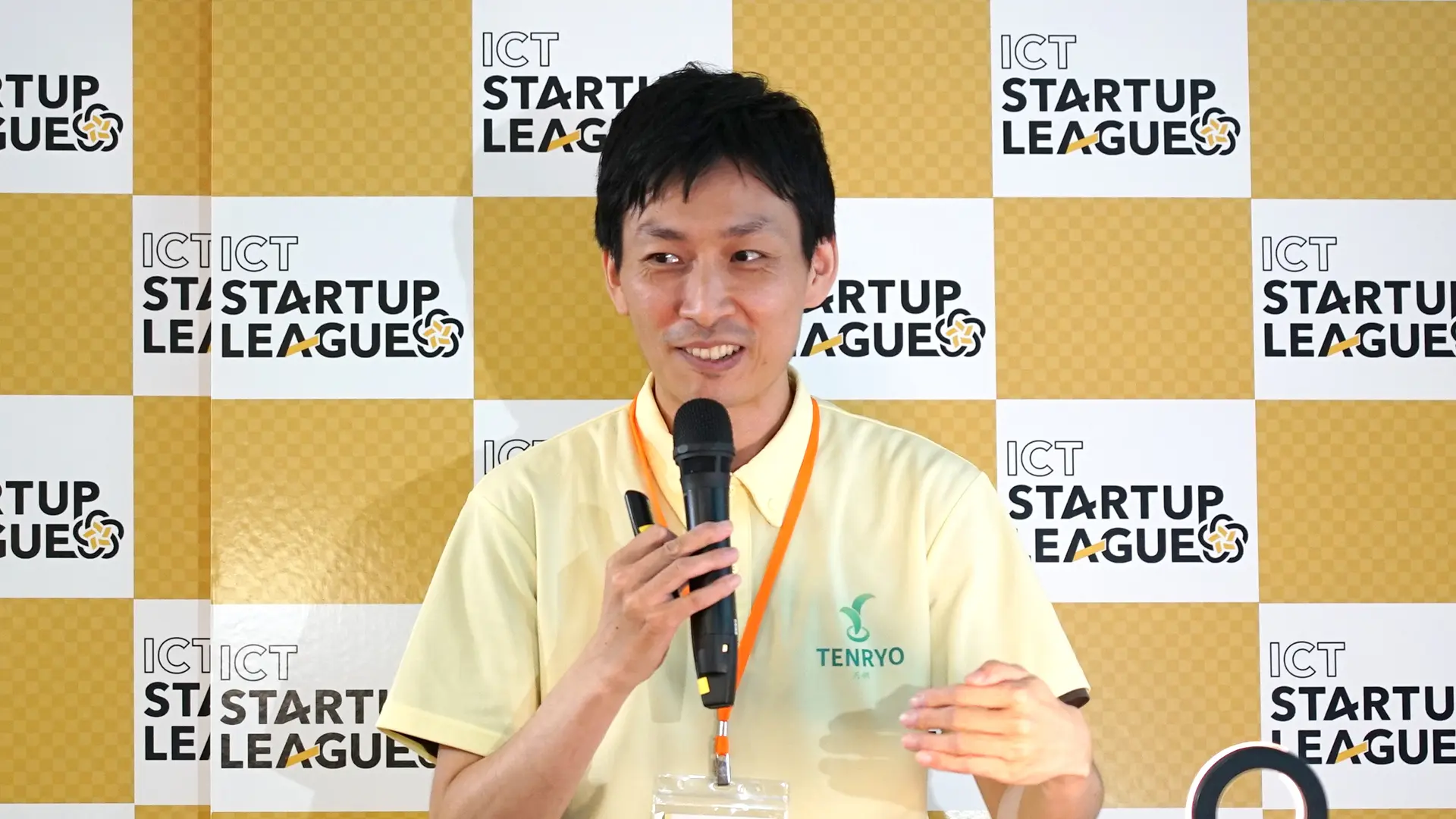 Tomofumi Hatakeyama, Representative Director, Mirai Scien Inc.
Next to take the stage was Mr. Hatakeyama of Mirai Scien Inc., an agritech startup originating from the University of Tsukuba. The company is supported by experts skilled in business strategy and new business development acting as caddies (co-runners).
The Mechanism of "High-Precision Pest Forecasting" via Proprietary Big Data and Weather AI
Mr. Hatakeyama explained the business overview of "TENRYO," an AI doctor app that protects the health of agricultural crops.
The app acts as a "weather forecast for pests," constructing and analyzing ecological models of diseases and pests by cross-referencing local weather data with the company's uniquely collected and accumulated "pest outbreak history big data." Because it generates high-precision models based on actual outbreak facts, it enables detailed predictions at the field level.
Its prediction accuracy is exceptionally high, reaching a level where it can pinpoint "which pest or disease will occur, when, and to what extent" with an error margin of less than a week. It has already completed the demonstration phase and entered the actual operation phase, being adopted by JAs (Japan Agricultural Cooperatives) and producers nationwide. It has proven solid damage reduction effects, such as improving crop yields (harvest volume per unit area) among farmers who participated in the trials.
The Wall of "Stopping at Information Provision" and the Business Challenge of a Small App-Only Market
While achieving steady results, Mr. Hatakeyama revealed the structural limitations of the current business model.
1. Psychological Hurdles Toward Upfront Investment
Because the effects are truly felt "at harvest time (the end of one crop cycle)," it is difficult to gain a sense of satisfaction as an upfront investment. Many farmers feel a hurdle regarding upfront investments in new IT tools, so the current monthly subscription model requires further innovation.
2. Limits to the Total Addressable Market (TAM)
A model that limits itself to selling a standalone forecasting app faces certain limitations in the domestic market it can approach; thus, determining the next move to scale the business significantly was raised as a challenge.
A "Multi-Stage Business Model" Starting from Risk Prediction
To break through these challenges, the company proposed a pivot to a new business model that positions risk prediction (forecasting) as the "entry point/starting point for pest countermeasures," and provides one-stop solutions for the subsequent processes.
Consultation on Collaborating with the Government's "Pest Outbreak Forecasting Project"
At the end of the session, Mr. Hatakeyama asked the panel of experts whether it would be possible to proceed with collaborations with the "Pest Outbreak Forecasting Project" conducted by the government (Ministry of Agriculture, Forestry and Fisheries, and prefectural pest control offices).
Currently, the forecasting projects conducted by the government primarily involve issuing flyers or monthly reports summarizing outbreak trends from the past month, based on field patrols and data collection by staff. However, due to its structure, this inevitably tends to become a "post-event report (a notification that a massive outbreak occurred last month)," which often remains merely reference information for farmers who have already suffered damage.
The company has already increased its recognition and evaluation, having been featured in the "Strategy for Sustainable Food Systems (MIDORI) Technology Catalog" and case studies on measures against fruit tree stink bugs. Believing that the future-predicting technology of "TENRYO" can perfectly complement the original goals of the government's forecasting projects, he sought opinions on the optimal approaches and shortest paths for advancing collaborations with national and local government initiatives.
Exchanges with Experts: Pivoting to a Platform and the Potential for Horizontal Expansion into Other Markets
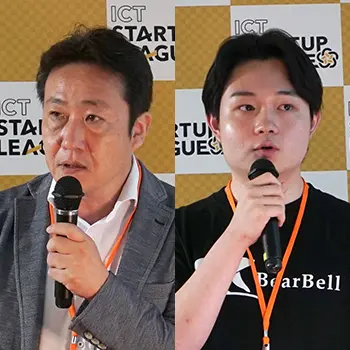
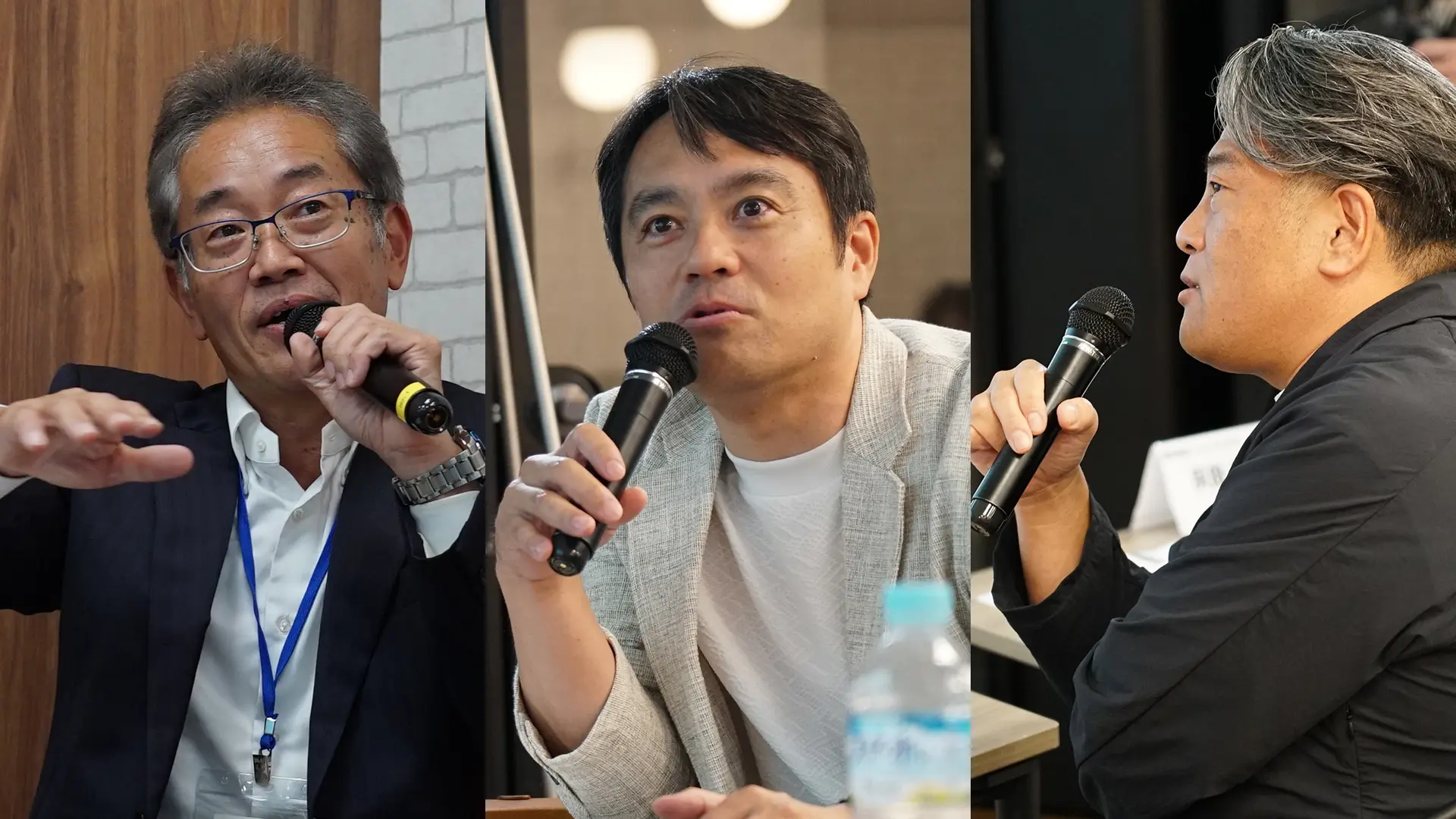 Norifumi Akagi (Left: Kajima Corporation), Toshiya Haida (Center: Selection Evaluation Committee), Motoki Tani (Right: Selection Evaluation Committee)
The company's business received strict yet essential feedback demanding a fundamental review of its business model.
First, regarding the approach to the government (Ministry of Agriculture, Forestry and Fisheries and control offices), he was advised to make proposals while respecting the structure and current status of existing forecasting projects. It was suggested that the primary information the government laboriously gathers in the field holds undeniable value, and the most effective approach is to offer data and cooperation from a partner stance aimed at complementing this and producing superior results.
Regarding the business model challenges, it was pointed out that the current model of having small and medium-sized farmers pay a monthly fee to introduce an IT tool has its limits. A strong proposal was made by the experts to pivot towards a model where the app is provided "completely free" to farmers and JAs to quickly capture the surface area (user base and data), build a platform, and then generate revenue through advertising fees and sponsorships from agricultural manufacturers and related companies. This was a directive that making it an indispensable infrastructure everyone must use and leveraging network effects should be the first priority.
Furthermore, as a gritty approach to achieve this, the importance of a thorough hands-on field policy—diving into the pockets of JAs and producers nationwide—was emphasized over mere desk strategies. Moreover, a practical opinion was shared by Mr. Akagi (Kajima Corporation), who was attending at the venue, suggesting that they should shift their target from small and medium-sized farmers to "large-scale agricultural corporations" that are in urgent need of efficiency improvements to comply with work style reforms (caps on overtime work) and seek their cooperation for POCs.
Additionally, as a business expansion from a completely different angle, it was proposed to expand horizontally beyond agricultural crops into the pest control market for sanitary pests like "termites," "cockroaches," and "mice," which have higher unit prices and a larger market size. A novel idea from a global perspective was also shared: especially overseas in places like Singapore, where penalty systems for mosquito breeding on premises are strict, the need for prediction technology is extremely high.
Conclusion: Building a Platform and the Resolve for Social Implementation
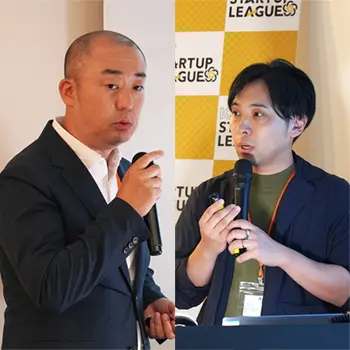
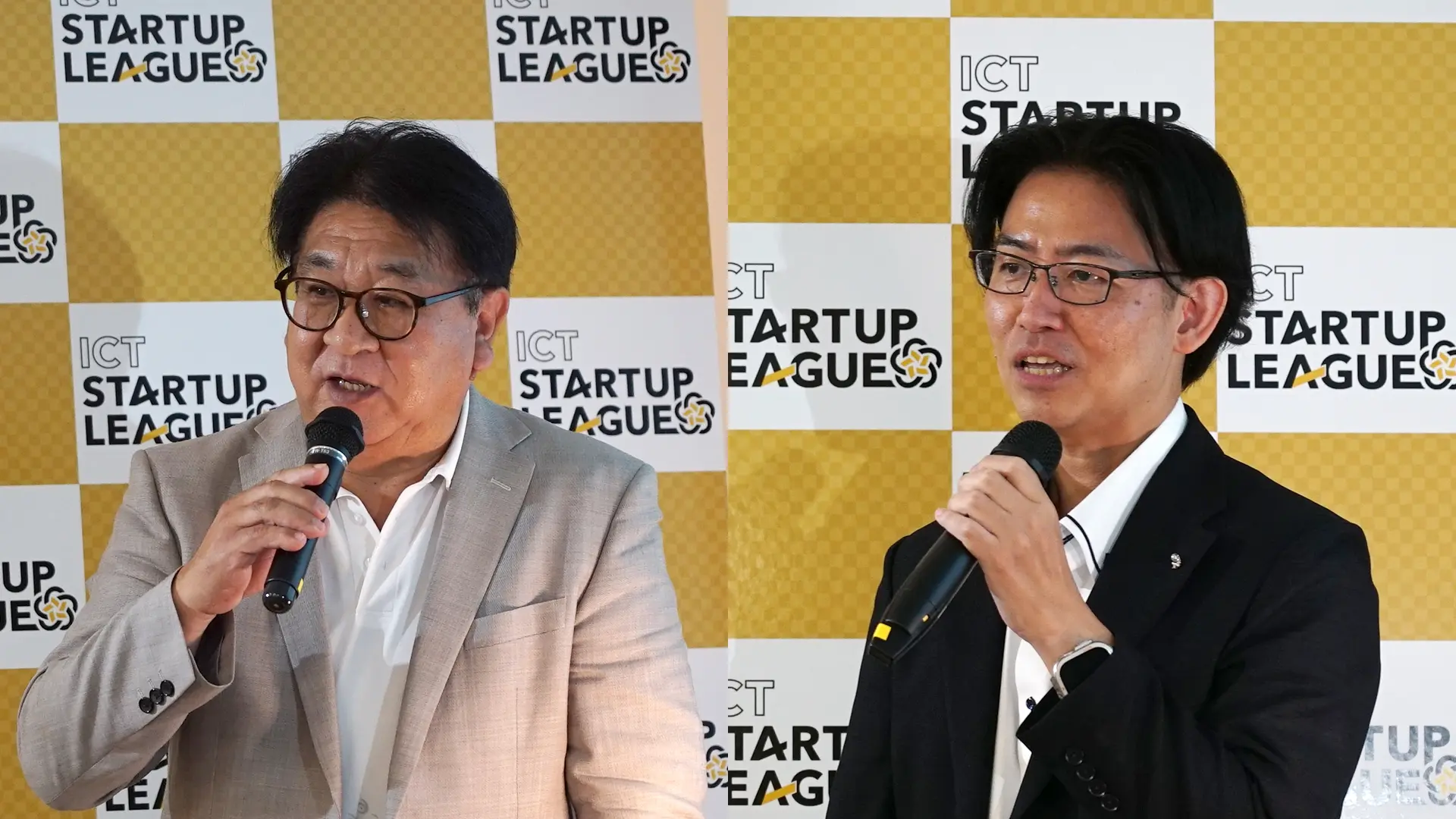 Tadashi Fukuda (Left: Chair of the ICT Startup League Steering Committee), Kunio Noma (Right: Ministry of Internal Affairs and Communications)
At the end of the session, Steering Committee Chair Fukuda provided a summary. The summary reiterated how crucial "expanding recognition" and "creating network effects" are, as highlighted throughout this Value-Up Session. Even with superior technology or predictive AI, no value is created without users to utilize it. Therefore, it was heavily emphasized that rather than rushing for short-term monetization, the priority should be to secure overwhelming market share and data, even if it means lowering the initial adoption hurdles, to become an indispensable platform.
Startups were also encouraged that merely boasting about technological perfection is not enough; they require "hungry sales power" and the resolve for a "rocket start"—diving into top-tier networks and directly approaching management layers to wrench away opportunities for proof-of-concept experiments.
Mr. Noma from the Ministry of Internal Affairs and Communications shared his impressions on the magnificence of an environment that debates and supports entrepreneurs taking on new challenges from multiple angles with the level of passion seen in this session. He expressed strong expectations that this startup support project will produce as many overwhelming success stories as possible from among the participating companies, so that it can clearly demonstrate "how it transformed society (the outcomes)."
Eiko Techno Co., Ltd. taking on the challenge of improving communication infrastructure environments with a hardware approach, and Mirai Scien Inc. aiming to streamline agriculture armed with data and AI. We will continue to closely watch how both companies pivot and scale their business models following the rigorous yet essential feedback and practical ideas from the experts.
■ICT Startup League
A support program started in FY2023, triggered by the "Startup Creation Emerging Research and Development Support Project" by the Ministry of Internal Affairs and Communications.
The ICT Startup League supports startups through four pillars.
1. R&D Funding / Hands-on Support
Up to 20 million yen in R&D funding is provided in the form of a subsidy. In hands-on support, the Selection Evaluation Committee members involved in choosing the League Members continue to work closely with and promote growth after selection. For companies the committee members evaluate as "absolutely wanting to select," a "fandom-like" support system is built where the evaluators themselves continuously support by providing advice on business plans and growth opportunities.
2. Discovery and Cultivation
Provides learning and networking opportunities to foster the business growth of League Members.
It also expands its base by discovering individuals aiming to start businesses in the future.
3. Competition & Co-creation
Acting as a positive competitive arena like a sports league, startups learn together and engage in friendly rivalry to win the precise amount of funding they truly need (up to 20 million yen). It also offers a co-creation platform where League Members can collaborate to expand their businesses through various opportunities, such as sessions by the Selection Evaluation Committee.
4. Dissemination
We broadcast the initiatives of League Members in cooperation with the media! By making the businesses known to many people, it aims to broaden the scope of new matchings and opportunities.
■Related Websites
ICT Startup League
/
Eiko Techno Co., Ltd. (Official Site)
/
Eiko Techno Co., Ltd. (LEAGUE MEMBER)
/
Mirai Scien Inc. (Official Site)
/
Mirai Scien Inc. (LEAGUE MEMBER)
Other League Reports
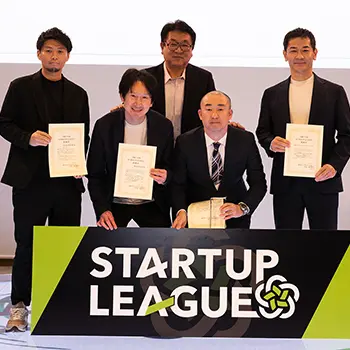
For more details on STARTUP LEAGUE's startup support, please see here.