Aichi, Nagoya City
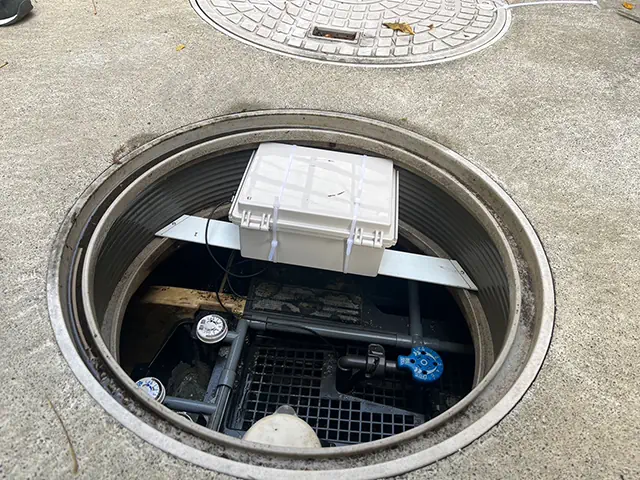
Nocnum is a deep-tech startup aiming to solve the problem of untreated wastewater and its associated social challenges by leveraging technology and the power of local communities. Currently, the company is developing technologies for the management and control of on-site wastewater treatment facilities. In Japan, Nocnum focuses on creating water quality IoT sensors that enable real-time remote monitoring of the status of "johkasou" (a type of on-site wastewater treatment facility), proprietary water quality analysis technology, and the accompanying johkasou management software. Even prior to its founding, the company conducted development and pilot testing of IoT sensors and is now fully dedicated to bringing its products to market.
Development of remote monitoring IoT sensors and ledger function software for septic tanks, and verification of the efficiency of wastewater infrastructure management through their social implementation
| Representative |
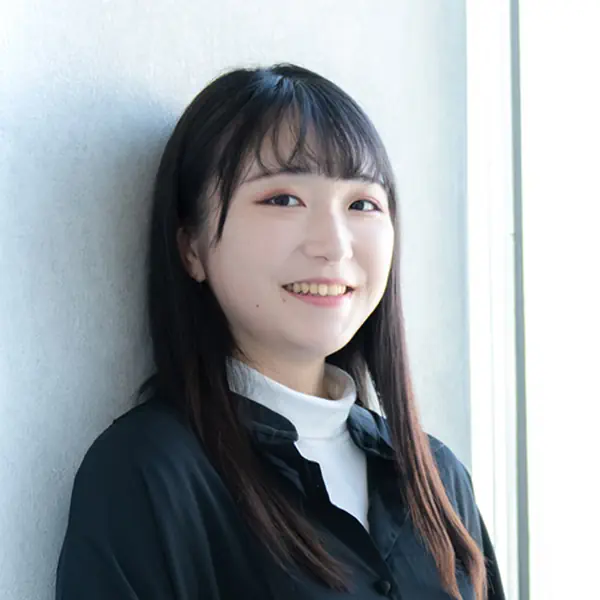
Miki OmoriBorn in Ibaraki Prefecture, currently living in Aichi Prefecture. Co-founded Nocnum Inc. with CTO Watanabe. Graduated from the Faculty of Foreign Studies at Aichi Prefectural University in 2020. Currently on leave from the Graduate School of Asian and African Area Studies at Kyoto University from 2021. Studied Southeast Asian religious culture at university. Interested in environmental issues in Southeast Asia, he aspired to start a business with the aim of implementing technology in society. Established Nocnum Inc. in 2022 and has begun full-scale operations to commercialize IoT sensors for remote monitoring of on-site wastewater treatment facilities. He is working hard to solve water problems both at home and abroad. |
|---|---|
| Main Achievements | 2022 May: Winner of Japan Business Model Competition August: Selected for the FY2022 Tsukuba Society 5.0 Social Implementation Trial Support Project September: Runner-up in the Aichi startup business plan contest November: Registered 2023 February: Selected for the 8th batch of Makers University hosted by Etic. Inc. March: Speaks at the event "Thinking about Supplier Diversity on International Women's Day" hosted by the U.S. Consulate in Nagoya August: Selected for the FY2022 accelerator program "Takehara DX" November: Corporate award (2 companies) at Gifu Tech Planter 2024 March: Mitsui Mirai Challengers Audition Adopted May: Adopted for the "Sakigake Project" [Hiroshima Prefecture] July: Adopted for the ICT Startup League Adopted for the NEDO Entrepreneurs Program (NEP) |
| Motivation, Goals, and Ideal World | I started out by studying Southeast Asian religious culture at university and graduate school, but the more I learned about the situation there, the more I realized that infrastructure outside of urban areas was still inadequate and many people had problems with sanitation. Because I studied cultural anthropology at university, a subject closely related to development, I was originally interested in development in Southeast Asia and Africa, and I also thought about working in that field in the future, so I gradually began to want to be involved in the field. On the other hand, I personally felt that there were limitations on the budget, time, and scope of involvement when joining national projects or other companies, and I was hesitant to get a job. Also, at the time, I had heard from people around me that there was also the option of starting a business, and I was starting to think that this was a good option. However, development requires specialized knowledge and technology to discover and solve the problems in the area. Since I lacked both, I was very worried about how I could get involved. At that time, I had an extracurricular class on entrepreneurship at university, and that's where I met Watanabe, who was researching wastewater treatment in a doctoral program. When you live in Japan, you take for granted that water sanitation and water-related home facilities are clean, but this is not the case at all when you go to developing countries. Wastewater is often discharged without being treated, polluting rivers, oceans, and soil. Also, home facilities, especially toilets, are not very clean by Japanese standards. I myself like going abroad, but I have never had a good impression of the water sanitation environment, so I felt a sense of crisis about water sanitation and wanted to do something about it. Also, when I was studying cultural anthropology, I knew from literature several cases where water facilities were built but not operated properly, and even if Japan invested in them, they ended up not being used, so I wanted to be involved not only in the facilities themselves but also in their operation. In the midst of all this, I heard from Watanabe, an expert in the field, that he had researched and developed wastewater treatment facilities and their operation, and had the technology, but did not know how to implement it in society. We hit it off and decided to start a company, as we both felt that we could help each other with what we couldn't do. Our goal is to purify water in the natural environment, thereby expanding people's access to safe water and eliminating losses such as disease and infant deaths caused by unsanitation. |

| Company Name | Nocnum Inc. |
|---|---|
| Representative Name | Miki Omori |
| Address | Global Gate 11F, 4-60-12 Hiraikecho, Nakamura-ku, Nagoya City, Aichi Prefecture |
| Official Site and Social Media |
Official Website @MKNocnum | X (Twitter) | Representative Director @rw_nocnum | X (Twitter) | CTO |
| Founding Date | 2022-10-31T15:00:00.000Z |
| Awards |
2022 May: Winner of Japan Business Model Competition September: Runner-up in Aichi startup business plan contest 2023 November: Gifu Tech Planter Corporate Award (2 companies) 2024 March: Selected as a Challenger in the Mitsui Mirai Challengers Audition |
もっと見る